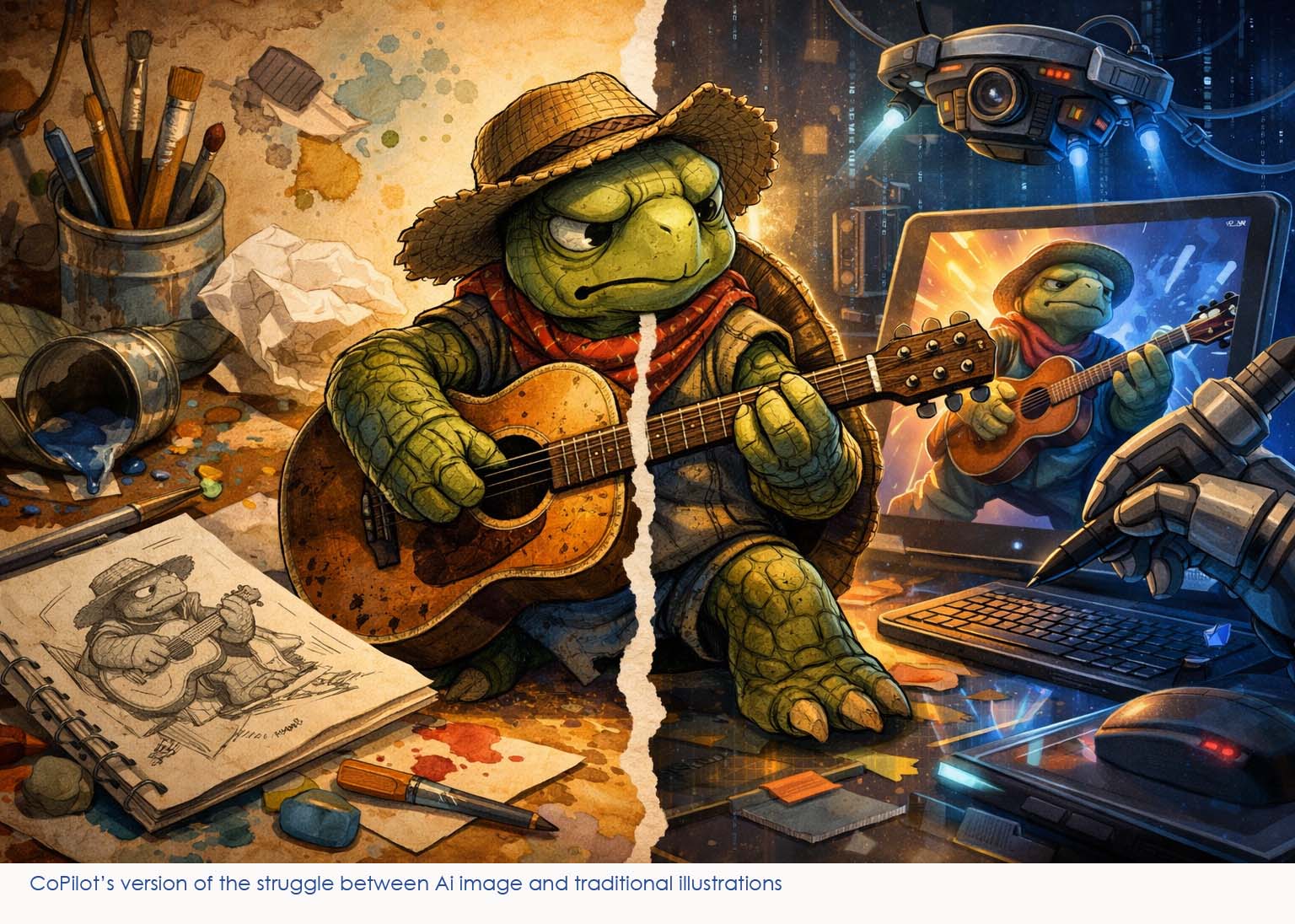
By Tony Flowers
Introduction: A Changing Landscape in Children’s Illustration
The rapid rise of AI image‑generation tools has created a seismic shift in the visual arts, and children’s publishing is no exception. While AI can now produce polished images in seconds, the role of the traditional illustrator remains central to the craft, integrity, and emotional depth of picture books. In this article, I explore what human illustrators uniquely contribute, how AI is currently being used, and why the distinction matters, especially for young readers.
Before diving in, I want to address a common misconception among aspiring authors. If you’re preparing a manuscript for submission to a publishing house and your next step is to start hunting for the perfect illustrator, stop. That isn’t your job. Your role is to write a good story, told well. The publisher will select the illustrator. This is the moment where you must learn to let your project go and trust the publisher, editor, and illustrator to do their jobs. With that clarified, let’s look at illustration vs AI images.
The Narrative Power of Illustration
Illustrations in children’s books do far more than decorate the text. They carry narrative weight, emotional tone, and subtext. Children “read” pictures with as much sophistication as they read words, and illustrators design with this in mind.
So, what do illustrations actually do in a picture book?
1. Alongside the text
These images support the written narrative by clarifying setting, character, and mood. They help young readers decode meaning and build comprehension, especially in early literacy stages. Think of the wonderful work of Lynley Dodd in Hairy Maclary or my personal favourite, Slinky Malinki.
2. Work with the text
Here, meaning emerges from the interplay between words and pictures—neither is complete without the other. This “picture book dance” is a hallmark of the form and requires trust and collaboration between author, illustrator, and editor. The iconic partnership of Sir Quentin Blake and Roald Dahl demonstrates this beautifully. Author‑illustrators such as Bob Graham, Stephen Michael King, Anne James, and Alison Lester also excel in this space.
3. parallel to the text
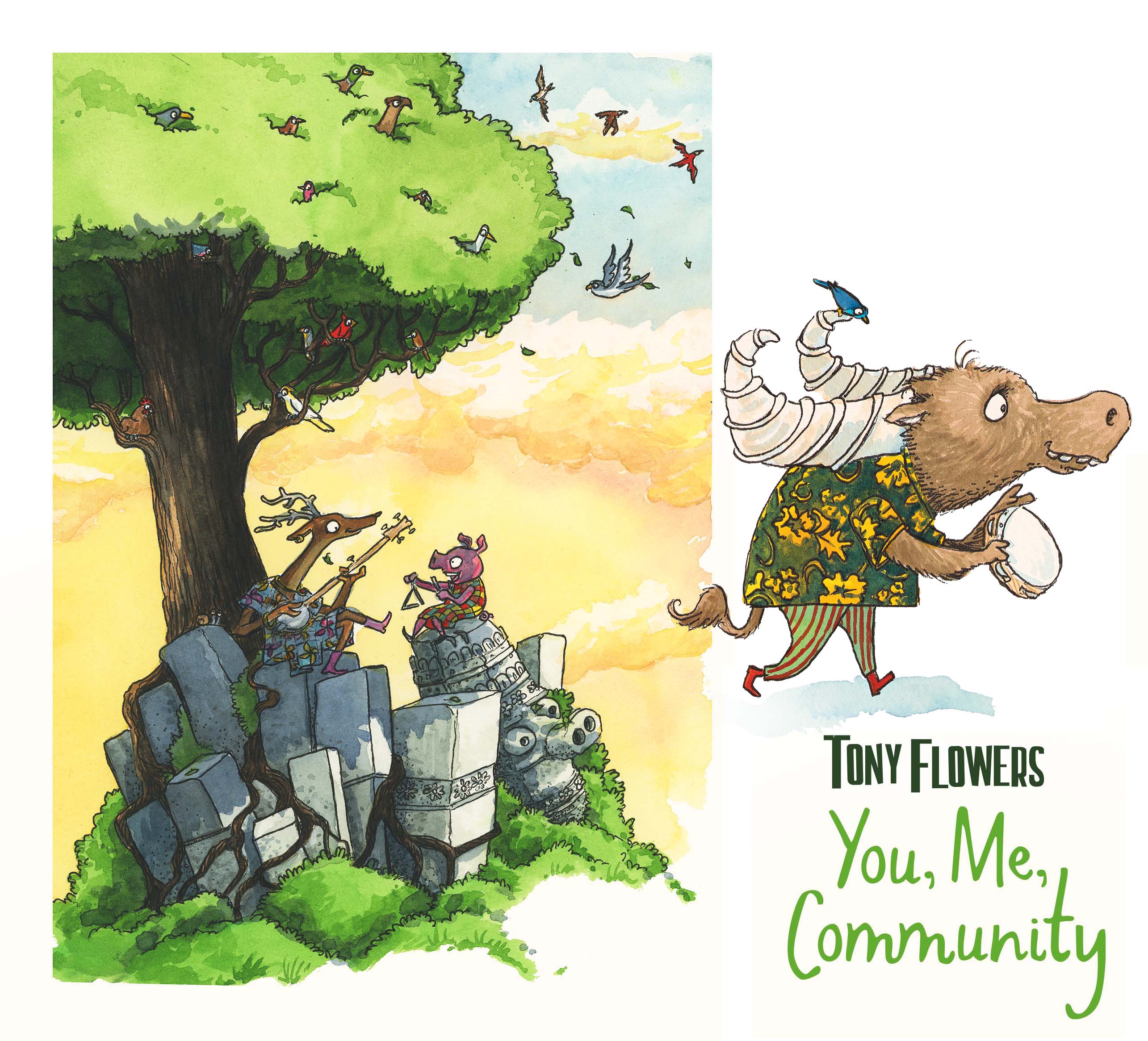
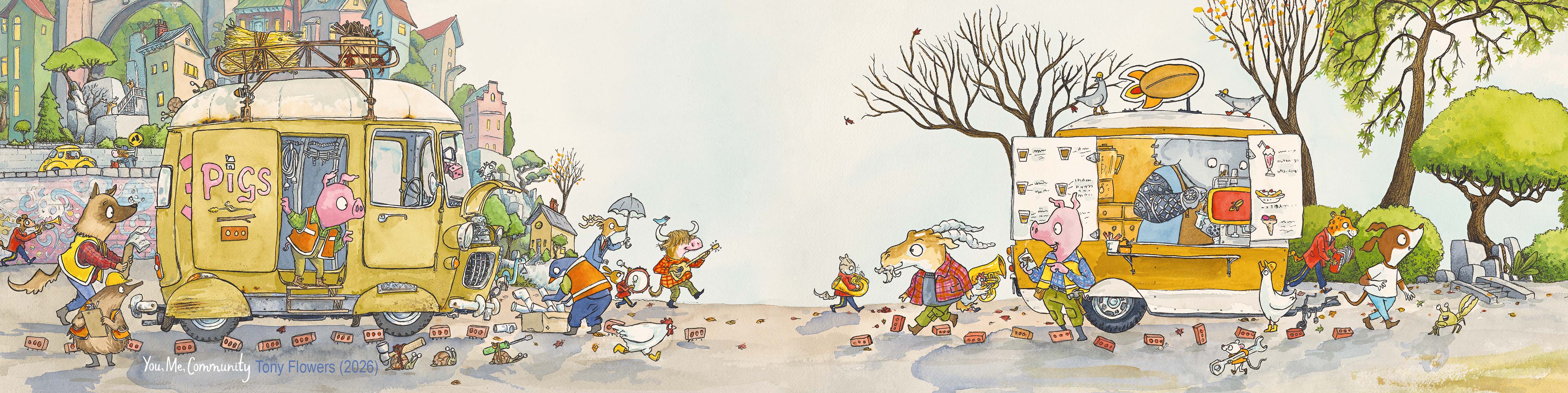
Some illustrators create parallel visual stories that run beneath or beyond the written text. These hidden narratives invite re‑reading, discovery, and deeper engagement, rewarding visually literate children with layers of meaning. I was fortunate to work this way recently on You, Me, Community (written by Zanni Louise). The text was beautifully lyrical and open, allowing me to weave in an entire visual narrative that complemented, but did not duplicate, the words.
What Traditional Illustrators Bring to Picture Books
Traditional illustrators, whether working in paint, pencil, collage, or digital media, draw from lived experience, emotional intuition, and cultural understanding. Their work is shaped by years of practice, visual literacy, and a deep awareness of how children interpret images.
They bring:
- Intentional storytelling: every visual choice supports narrative, theme, and character.
- Emotional authenticity: human experience shapes expression, gesture, and atmosphere.
- Cultural sensitivity: illustrators understand context, symbolism, and representation.
- Consistency and continuity: essential for character‑driven stories and series.
- A unique artistic voice: style becomes part of the book’s identity.
These qualities cannot be automated.
AI Images in Publishing: Current Uses and Current Limits
AI is already being used in some self‑publishing projects and by a small number of publishers for covers and simple character images. While this may seem efficient, it removes vital development opportunities for new and emerging illustrators, who traditionally build their careers through small commissions, early‑career picture books, and cover work.
AI’s limitations, as they currently stand in a rapidly developing field, include:
- Lack of narrative understanding: AI predicts patterns; it does not understand story, emotion, or subtext.
- Inconsistent characters: maintaining continuity across 32 pages remains unreliable.
- Ethical concerns: many models are trained on unlicensed artwork, raising copyright and moral rights issues.
- No cultural awareness: AI frequently produces insensitive or inaccurate depictions.
- No collaboration: AI cannot respond meaningfully to editorial direction or co‑develop a book’s vision.
The Commercial Reality: Why AI Images Cheapen the End Product
Some creators argue that using AI prompts constitutes authorship. While this may feel valid on a personal level, the commercial reality is different.
When a picture book uses AI‑generated illustrations:
- The book often looks glossy rather than professional. AI images have a synthetic sheen that experienced readers and publishers recognise instantly.
- If the cover looks AI‑generated, readers question the quality of the text. If one part looks rushed or artificial, people wonder whether the writing received the same level of AI care.
- It reinforces the harmful idea that children’s books are “simple” or “lesser.” This assumption is deeply offensive to those who understand the craft. Picture books are complex works of literature requiring mastery of pacing, visual narrative, emotional resonance, and child‑centred design.
Children deserve more than “good enough.” They deserve books created with intention, expertise, and respect for their developing minds. Think back to your favourite childhood books, they hold a special place in your heart. The books we fall in love with shape us, and that is not a responsibility to take lightly.
A Reality Check for Aspiring Authors Considering AI
If you are thinking of producing a picture book because AI makes it look easy, please pause.
- Research what books are currently being published in your country and internationally.
- Look at award‑winning titles—for writing, illustration, and design. In Australia, this includes the CBCA Book of the Year Awards, the YABBA Awards, and various state‑based awards.
- Compare your concept to these standards. Does your book meet the level of craft, narrative depth, and visual coherence? Reflect on this honestly.
If not, consider:
- Joining local writing groups, especially kid‑lit communities.
- Connecting with organisations like SCBWI (Society of Children’s Book Writers and Illustrators).
- Learning the craft of picture‑book storytelling before rushing to publish.
The world of children’s literature is welcoming, but it is also a professional field with high expectations and a deep responsibility to its readers.
Traditional Illustration vs AI Images: A Comparison
Traditional Illustration
- Emotional authenticity
- Narrative intention
- Cultural sensitivity
- Character continuity
- Unique artistic voice
- Collaborative development
- Ethical transparency
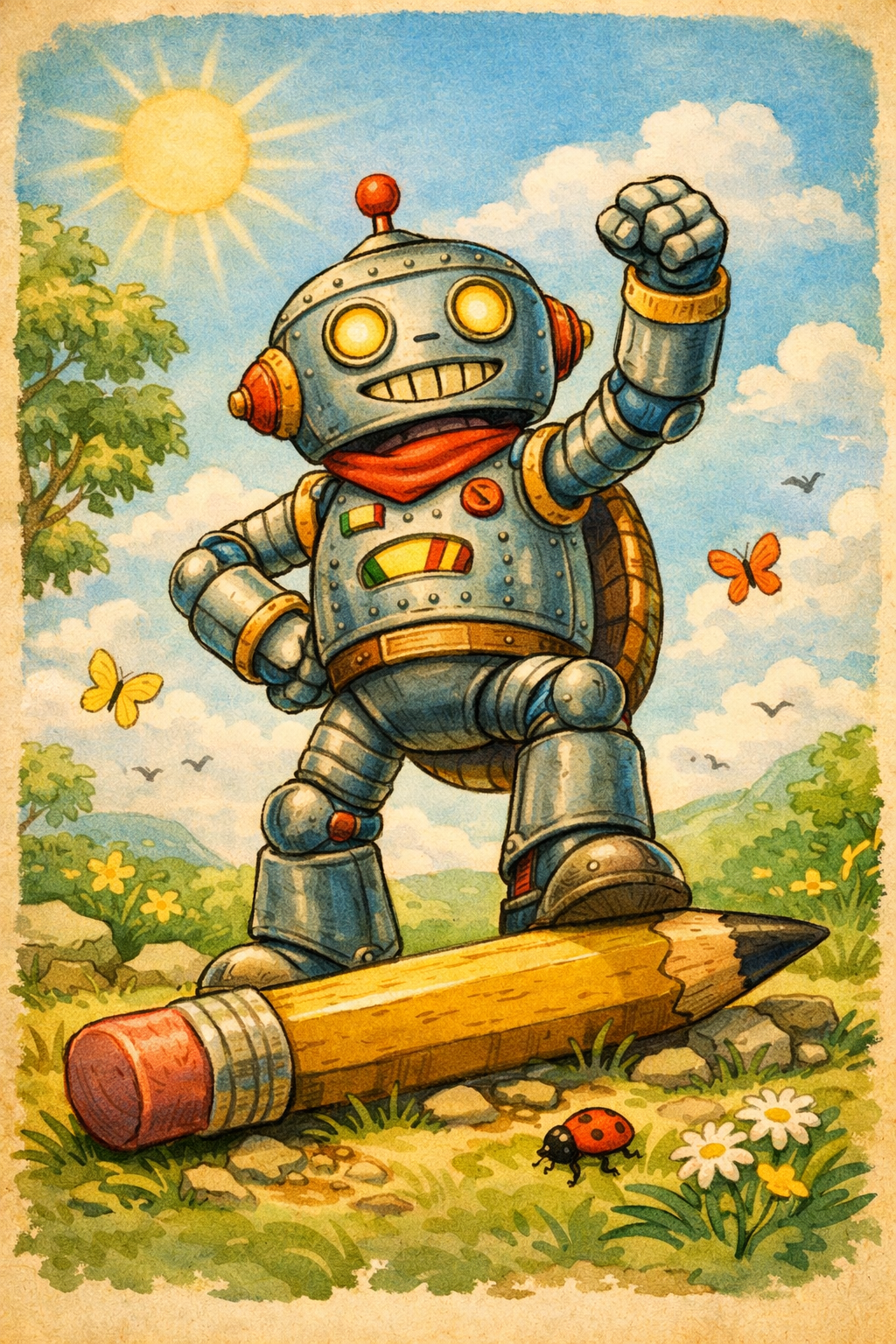
Image above Co-Pilot’s version of a retro robots victory of a pencil for a children’s book illustration
AI Images – Strengths
- Speed
- Low cost
- Style mimicry
AI Images – Challenges
- No narrative understanding
- Inconsistent characters
- Ethical concerns
- Cultural inaccuracy
- No collaboration
- “Glossy” but shallow aesthetic
- Commercial stigma
What AI Still Cannot Do (But Illustrators Can)
- Create intentional visual storytelling
- Build emotional subtext
- Collaborate with authors, editors, and art directors
- Ensure cultural accuracy
- Develop a unique artistic voice
- Maintain character continuity
- Understand child readers’ developmental needs
- Create art grounded in lived experience
Conclusion: The Future Is Hybrid, But Human‑Led
AI will continue to evolve, and its role in publishing will grow. But picture books, true picture books require human insight, emotional intelligence, and narrative intention. The illustrator’s role is not disappearing; it is becoming more important as we navigate questions of authenticity, ethics, and artistic integrity.
Children deserve stories made with care. Illustrators deserve the space to create them. And the industry deserves to uphold the standards that make picture books one of the most sophisticated and beloved forms of literature.
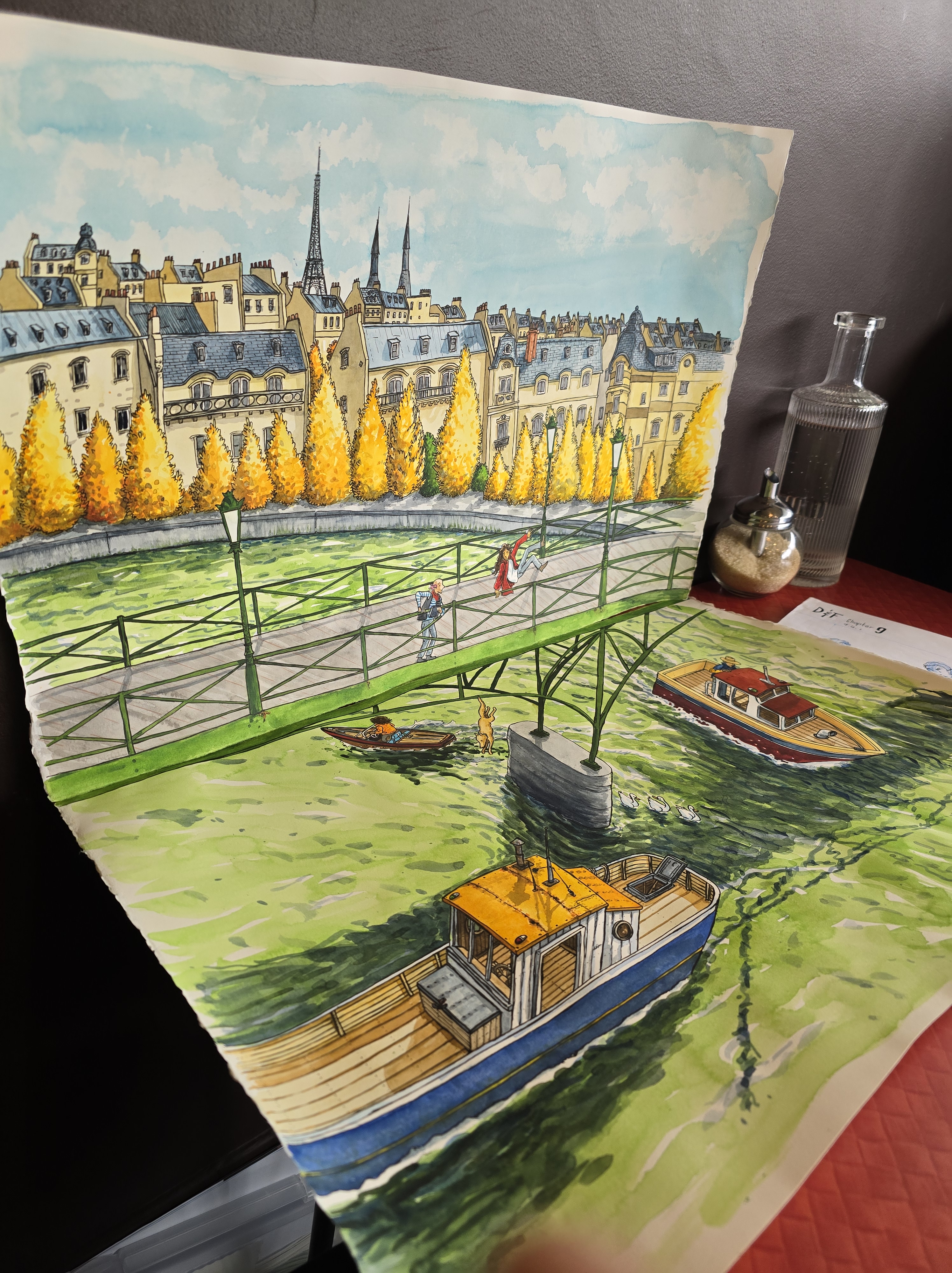
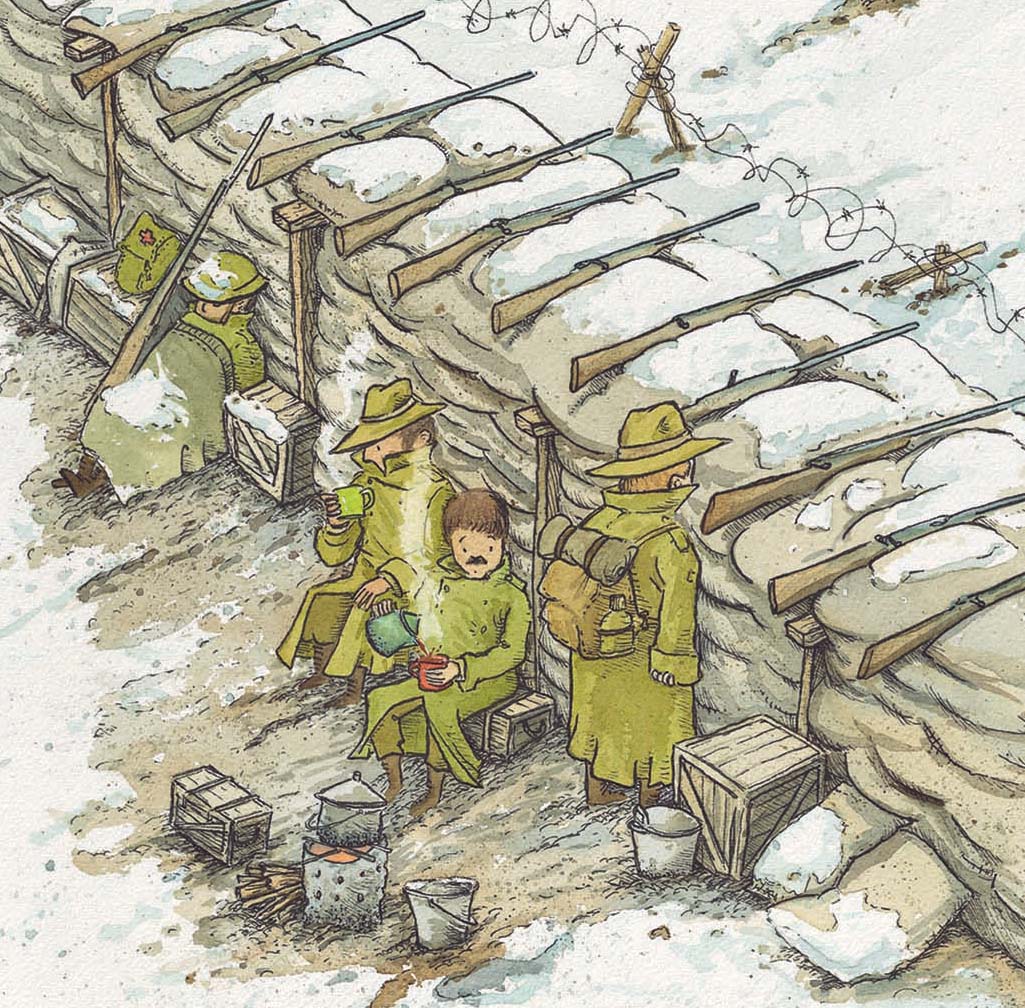
Above: Divi & Frey graphic novel 3D image (Tony Flowers, Walker Studio – publication date TBC)


Leave a Reply