
Image process from Samurai vs Ninja series with Penguin Australia (2015)
When I’m not sketching the latest escapades of Divi and Frey or immersed in a new picture book project, I’ve had the privilege of teaching university students, an experience that’s deepened my understanding of visual literacy in unexpected ways. Although I never quite finished my PhD, the journey through academic research and creative practice offered rich insights into how visual literacy is perceived, taught, and applied.
As an illustrator whose work is rooted in visual storytelling, I’ve had the unique opportunity to bridge theory with practice, examining how academic frameworks around visual literacy align with the lived experience of creating images that communicate, engage, and inspire. Through this lens, I’ve developed a series of classroom activities designed to help students decode, interpret, and create visual narratives with confidence and creativity.
These activities are grounded in both research and real-world illustration, and I’m excited to share them with you along with some of the discoveries I stumbled upon along the way.
Activity: Draw the Next Scene
Focus: Visual Literacy, Narrative Prediction, Creative Thinking
Year 2 Teaching Notes
Learning Intentions:
- Identify key elements in a visual story (character, setting, action)
- Make predictions based on visual clues
- Express ideas through drawing and oral explanation
Resources:
- Printed illustration (from a picture book or wordless story)
- Drawing paper and pencils/textas
Instructions:
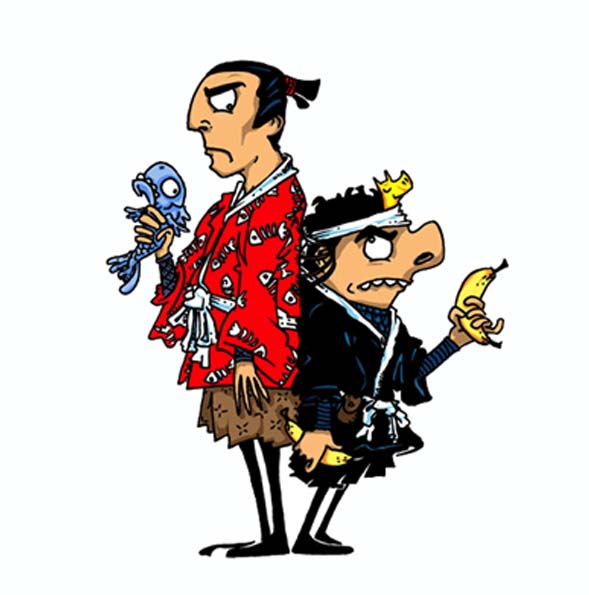
Promotional image from the Samurai vs Ninja series, Penguin Australia (2015)
- Show students a single illustration from a story.
- Ask: “What do you think might happen next?”
- Students draw what they imagine the next scene would look like.
- Invite students to share their drawings and explain their ideas to the class.
Discussion Prompts:
- What clues helped you decide what happens next?
- How did you show movement or emotion in your drawing?
- Did your scene change the story in a surprising way?
Extension Ideas:
- Pair students to combine their scenes into a mini comic strip.
- Add speech bubbles or sound effects to enhance storytelling.
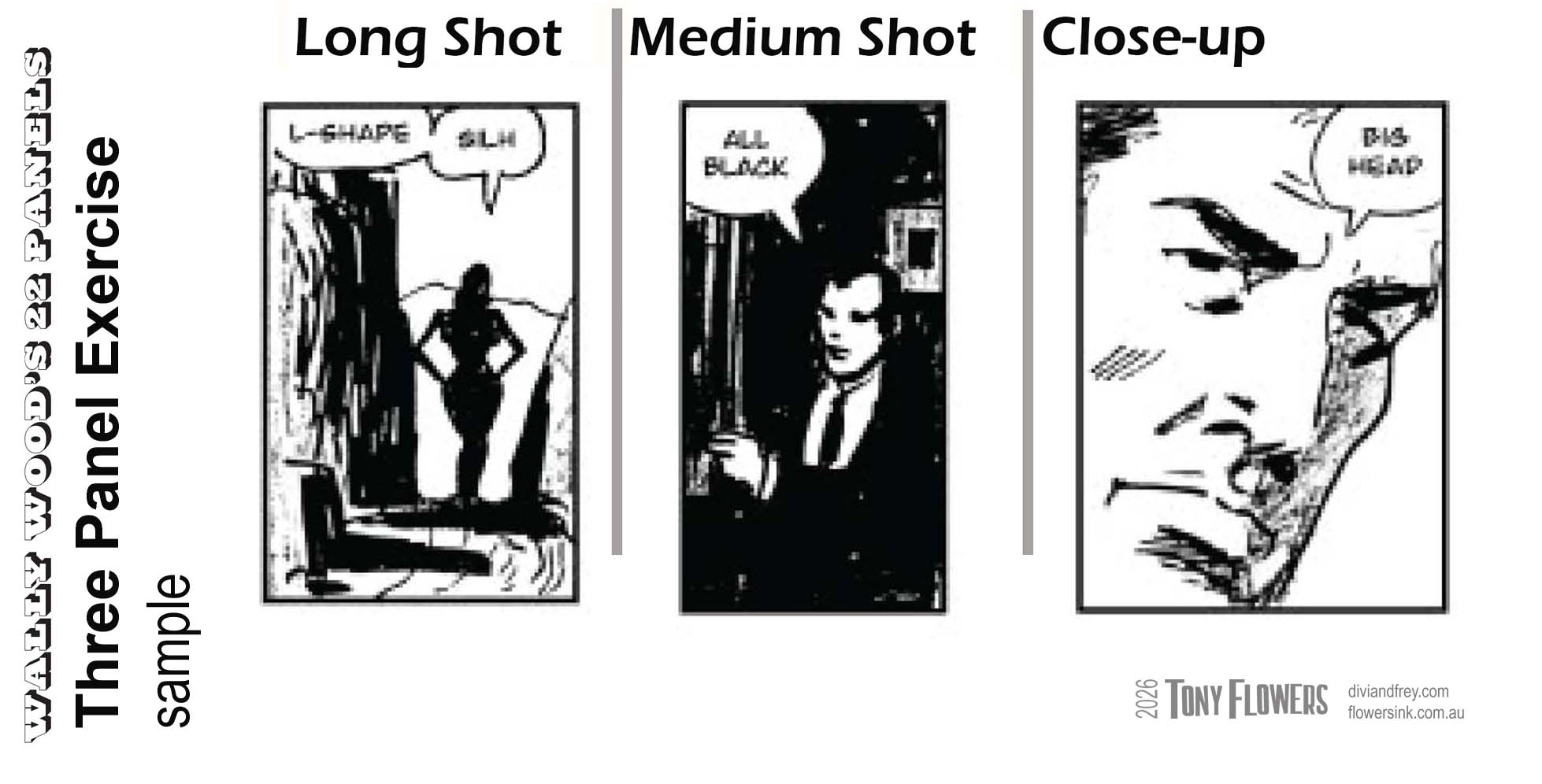
See post on Wally Wood’s 22 panels and related exercises to help students who might struggle with creating a comic sequence or for students who need extension exercises to build on their skills
Year 4 Teaching Notes
Learning Intentions:
- Use visual clues to make narrative predictions
- Develop descriptive language to support visual storytelling
- Explore character motivation and emotional tone
Resources:
- Illustration from a graphic novel or picture book
- Drawing paper, pencils, coloured markers
- Writing paper
Instructions:
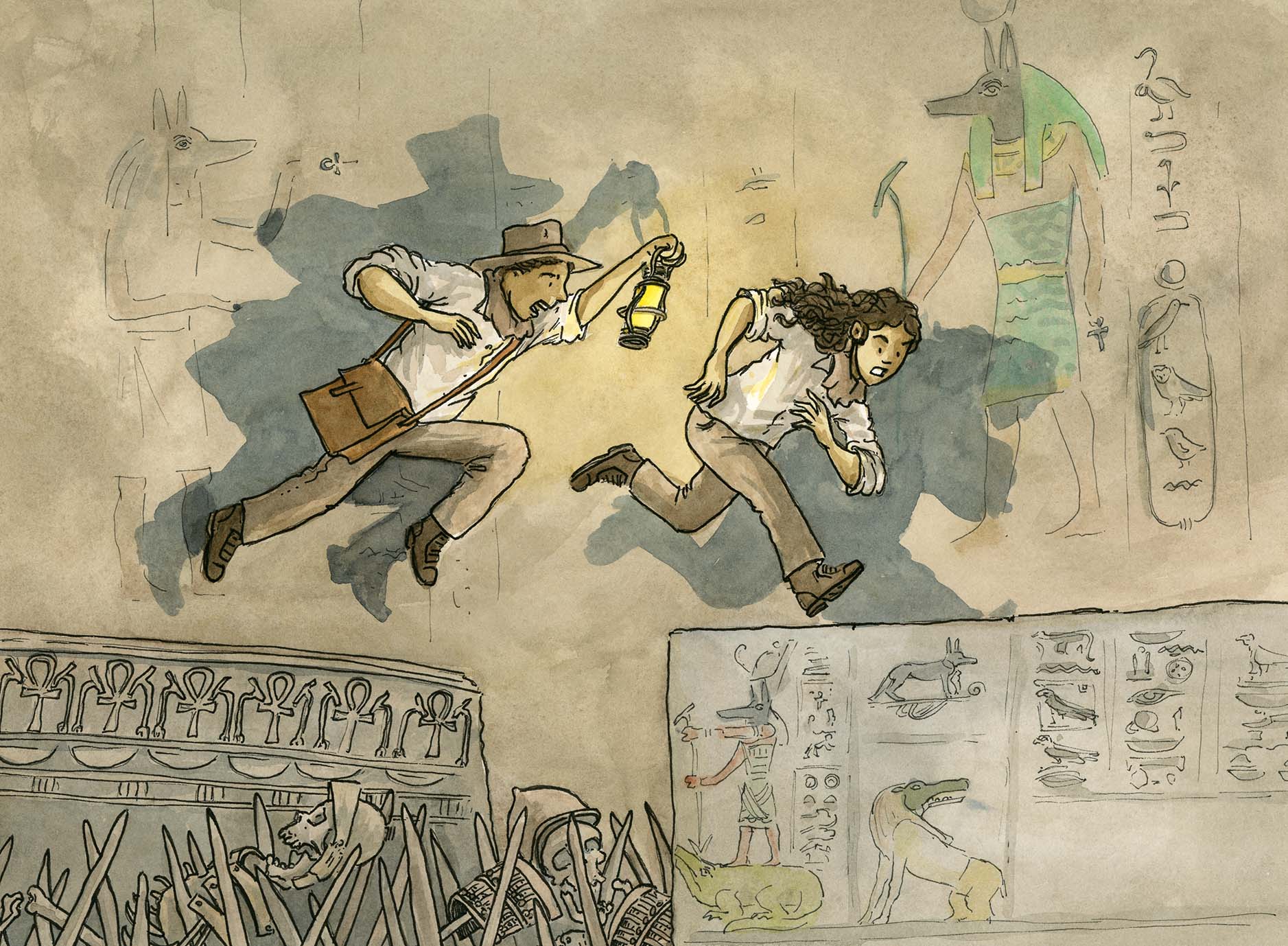
example from Divi & Frey and the Curse of Anubis, in development with Walker Studio Australia. expected releases in 2027
- Present an illustration with clear action or tension.
- Discuss what’s happening in the scene and brainstorm possible outcomes.
- Students draw the next scene and write 2–3 sentences describing what happens.
- Share drawings and written descriptions in small groups.
Discussion Prompts:
- What emotions are your characters feeling?
- How did you decide what the setting looks like?
- Did your scene continue the story or take it in a new direction?
Extension Ideas:
- Create a two-panel comic showing “before” and “after.”
- Compare different students’ interpretations and discuss how visuals shape meaning.
Year 6 Teaching Notes
Learning Intentions:
- Analyse visual narratives for mood, pacing, and character development
- Create sequential art that builds on existing story elements
- Use dialogue and visual composition to enhance storytelling
Resources:
- Illustration from a wordless graphic novel or dramatic scene
- Storyboard templates or blank comic panels
- Drawing and writing tools
Instructions:
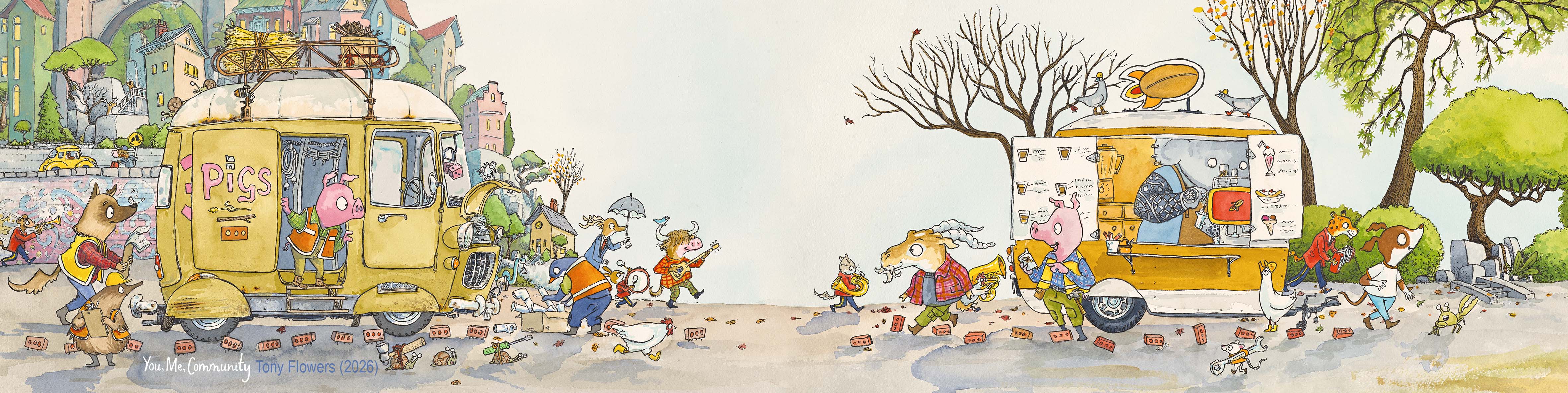
Image from ‘You, Me, Community , text by Zanni Louise, Walker Book Australia (Aug 2027)
- Present a complex illustration with layered visual clues.
- Facilitate a discussion on possible narrative directions, character motivations, and emotional tone.
- Students create a 2–3 panel storyboard showing what happens next, including dialogue and setting details.
- Students present their storyboards and explain their creative choices.
Discussion Prompts:
- How did you use composition to guide the viewer’s eye?
- What choices did you make about pacing and action?
- How does your scene reflect or challenge the original illustration?
Extension Ideas:
- Rewrite the scene from a different character’s perspective.
- Use digital tools to create animated versions of the panels.
If you have enjoyed these tips or have any request for future post please don’t be shy, let me know. If you message me I will see what I can do to create new post in response to your requests.


Leave a Reply