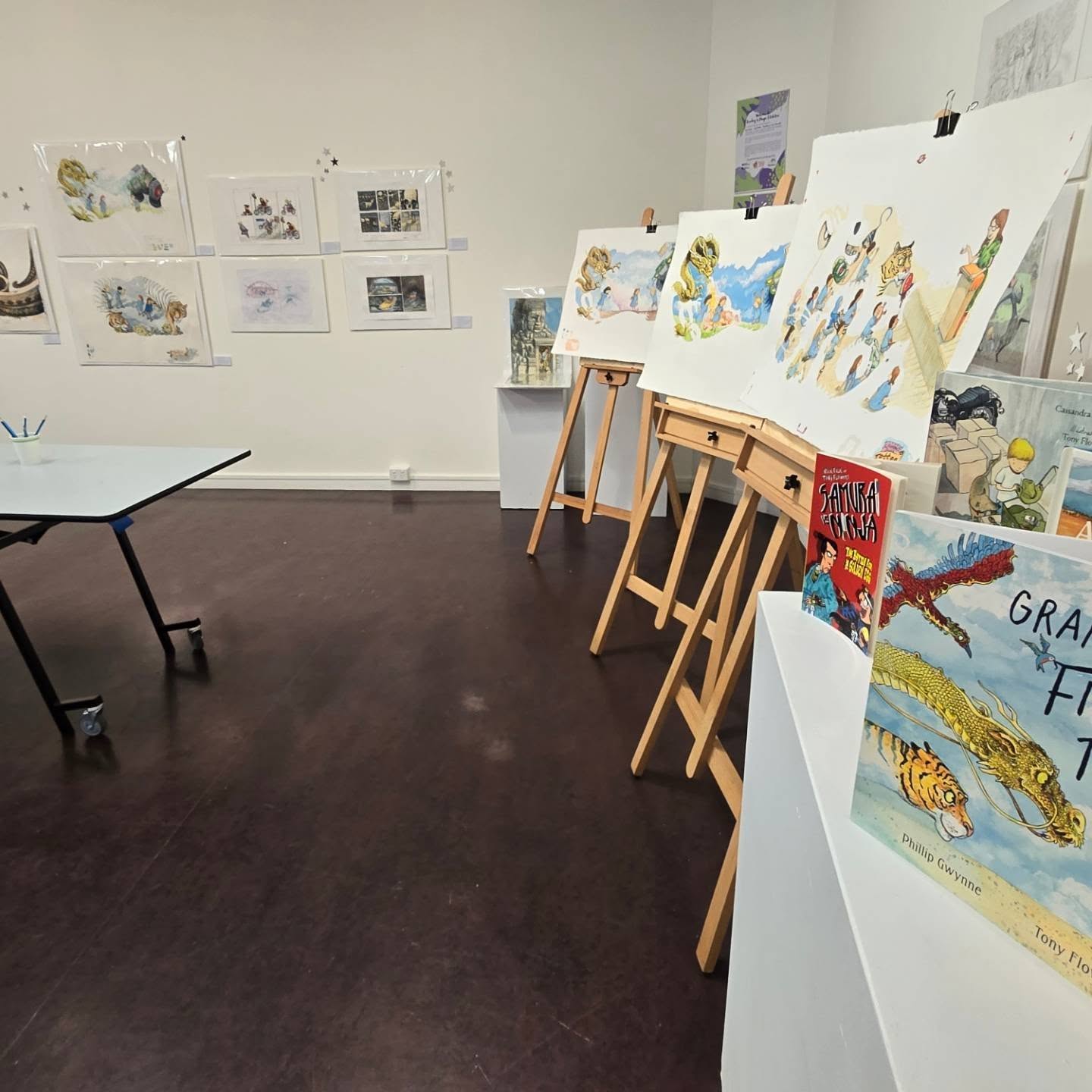
Story Arts Festival, QLD, Australia (2025)
After years of visiting more schools and festivals than I can count, I’ve learned what makes an author or illustrator session shine and what can derail it fast. When you’re starting out, it’s easy to think you need to be perfect and endlessly inspiring. In reality, most of us learn by doing and by getting through a few awkward moments along the way.
To help you avoid the mistakes I made early on, here are practical tips to make your school talks smoother, more engaging, and more enjoyable for you and the students. If they save you from even one tech meltdown, one blank-stare moment, or one why did I say that? memory, they’ve done their job.
First step:
Why Are You Doing a Talk or Workshop?
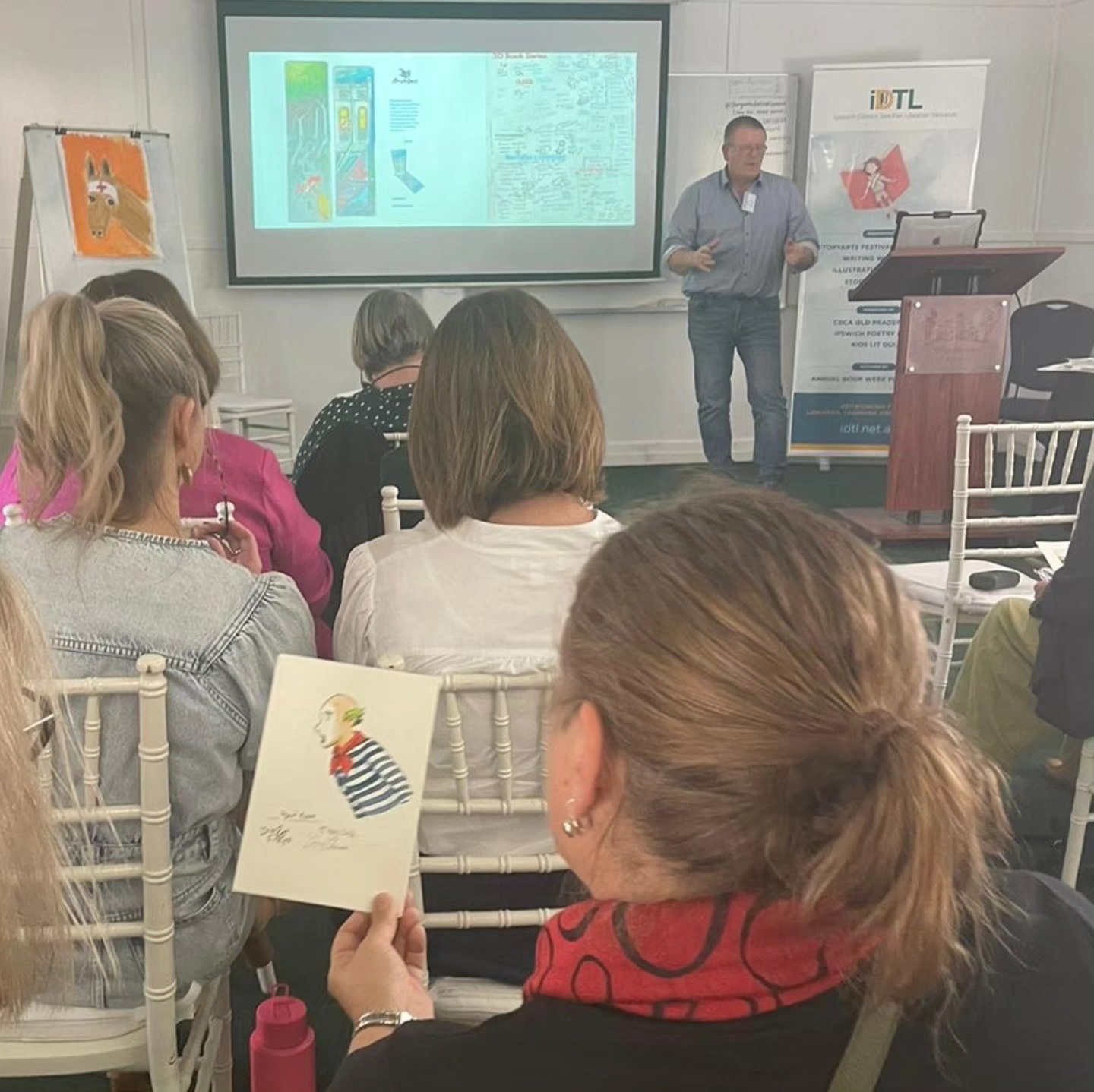
Be clear about why you’re going into a school and what the session is meant to achieve. Was the visit arranged by you, your publisher, or did the school approach you directly? Each path comes with different expectations, and it’s worth checking whether the teacher has anything specific they hope the students will gain from your session. Schools are usually good at communicating their goals (sometimes in very broad terms), but it’s still valuable to spend a moment with the classroom teacher beforehand to get a sense of the context and what they’re hoping to inspire in their students. This helps you frame your presentation in the right direction.
It’s also useful to find out whether the students have been reading any of your books before you arrive. Some teachers prepare beautifully and set everything up so the students already know your work; other times you walk in cold and need to start right from the beginning; who you are, what you do, and what your books are about. Being prepared for both scenarios makes the whole visit run more smoothly.
IMPORTANT TIP: Get Your Background Check Done Early
In Australia, each state runs its own version of a government background check for people working in schools. Here in Tasmania, it’s the Working With Vulnerable People check. It can take a little while for the physical card (which looks similar to a driver’s licence) to arrive, so don’t leave it to the last minute. You’ll need the card, or at least the clearance number, expiry date, and another form of ID, before you can do school talks. Make sure you look up what’s required in your state, territory, or country so you’re fully prepared before your first visit.
THE TEN TIP FOR A SCHOOL VISIT
1. Remember who the most important people in the room are
Its not you or the teachers its the individual students in front of you. Your job is to inspire them and let them see see what they can do, not to prove how impressive you are.
2. Keep your origin story short
Kids don’t want a long backstory about how you began; they want to get to the fun part quickly. Keep it brief so you can spend more time on ideas, creativity, and interaction.
3. Focus on where ideas come from
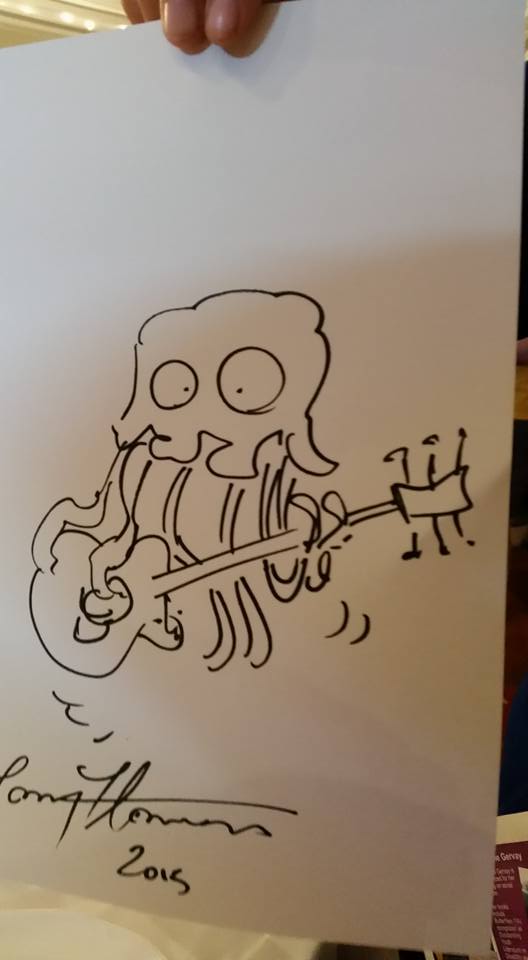
Students are fascinated by where ideas come from the spark, the question, or the unexpected moment that starts it all. I keep my sketchbook handy so I can show ideas arriving in real time and how capturing them helps them grow into a story. For some students, creativity feels like magic; I frame it instead as creative play, where you discover the story as you go.
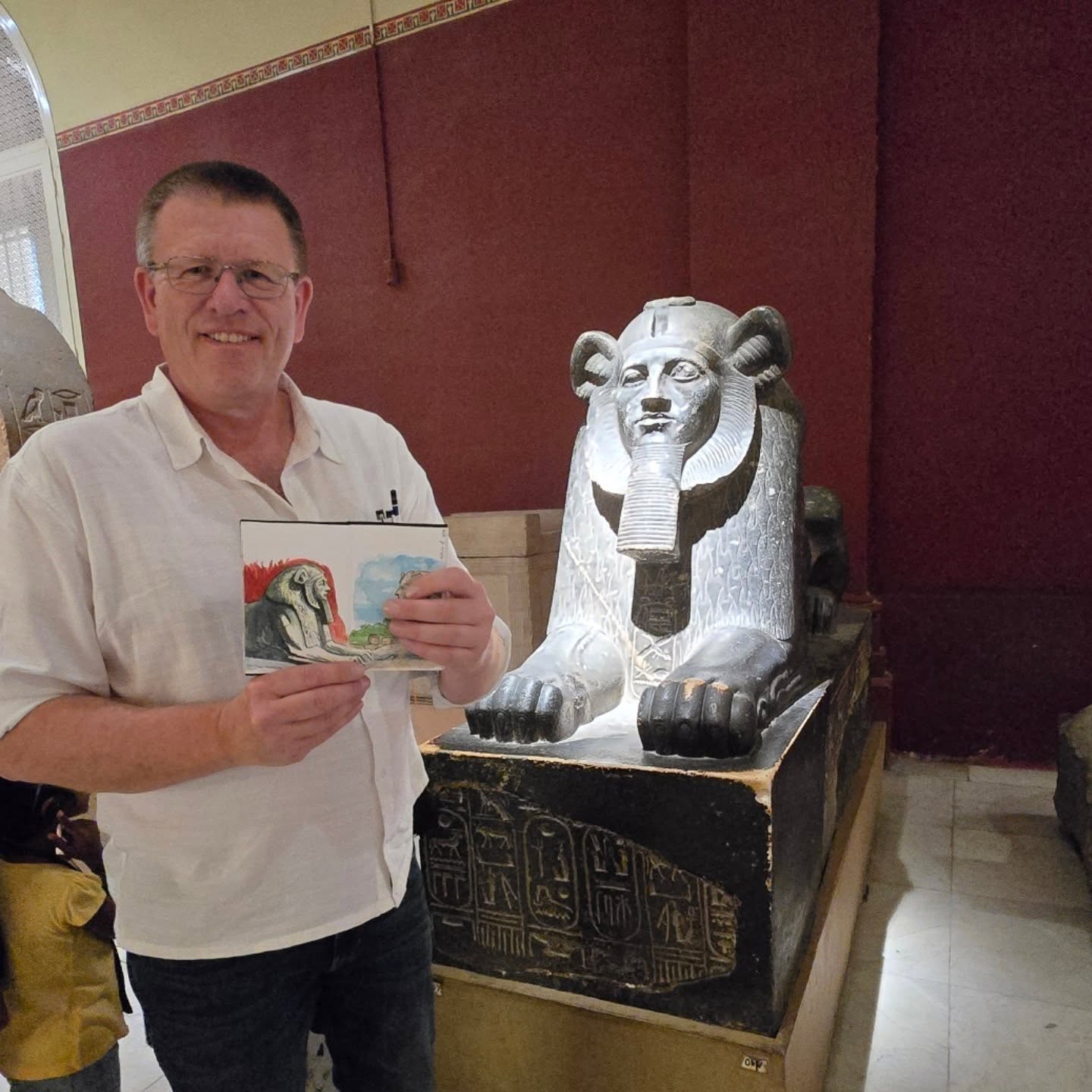
Sketchbook in the Cairo museum 2024
4. Don’t sell your books
A school visit isn’t a sales pitch, and kids spot one instantly. If they enjoy your session, they’ll naturally want to read your work later enthusiasm is the best marketing. You can still show illustrations or read from your book; the key is to share it, not sell it.
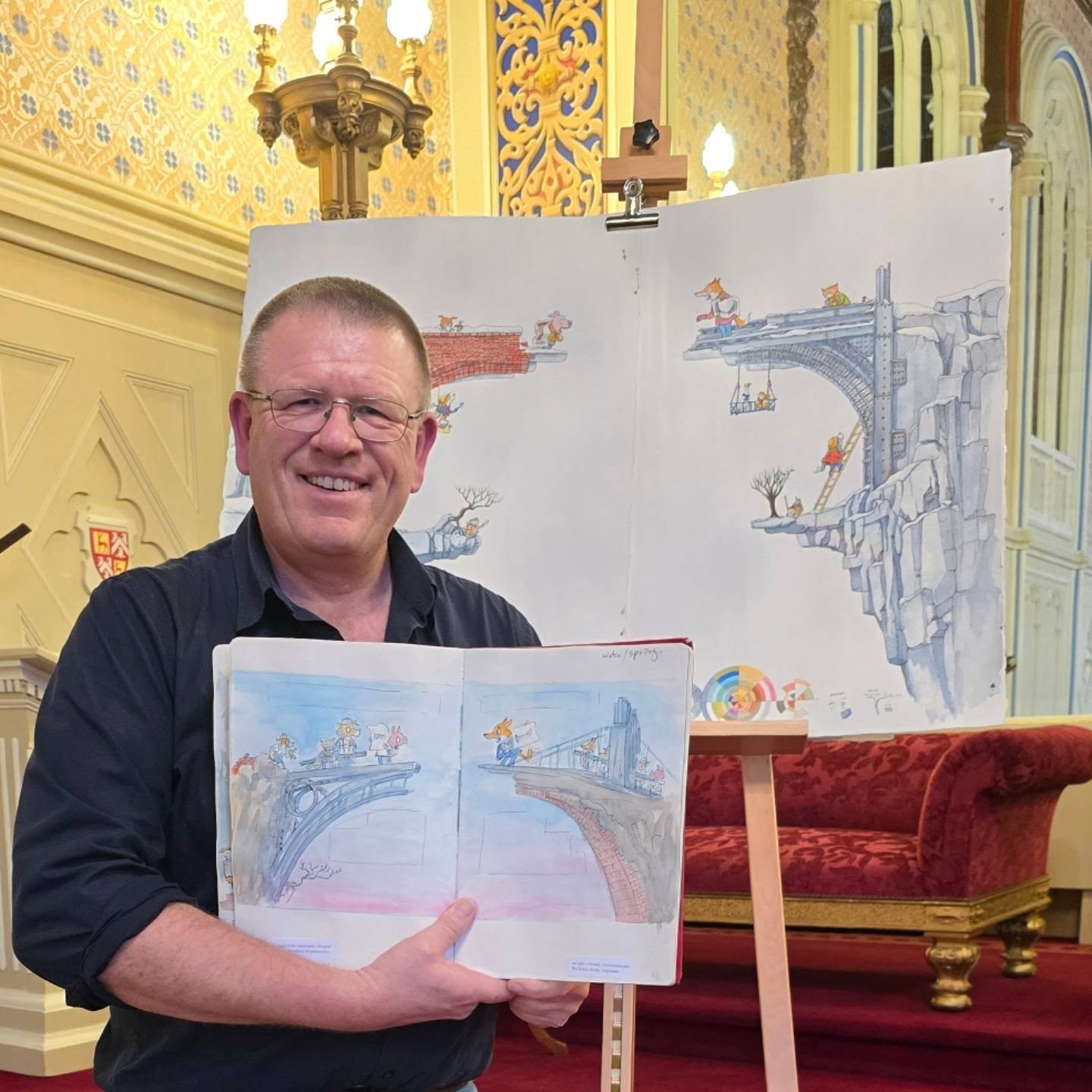
Government House, Hobart, Tasmania (2024)
5. Always have a backup plan for when tech fails
If your session depends on a video or slideshow, one frozen screen can throw everything off. Always have a low-tech fallback drawing, storytelling, or a hands-on activity so you can keep momentum. For years I presented without any electronics, relying on a pen and whiteboard (and remembering to pack good markers). I use presentations again now because they’re helpful, but they can also add stress when they stop working.
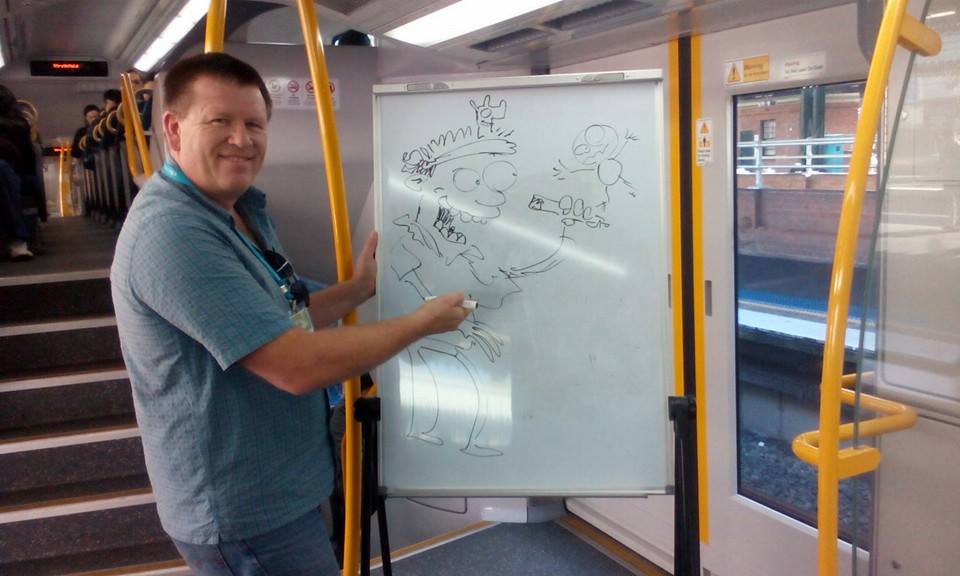
Drawing on a Sydney Train (2017) on my way to presentation (bring your own white board day)
6. Show you can adapt on the fly
When you respond to suggestions and questions in real time and turn them into something new students are captivated. As an illustrator, I weave their ideas into the drawings as I go, showing that this isn’t a rehearsed performance but a creative moment were building together. You can do the same by creating a story on the spot from elements the students suggest.
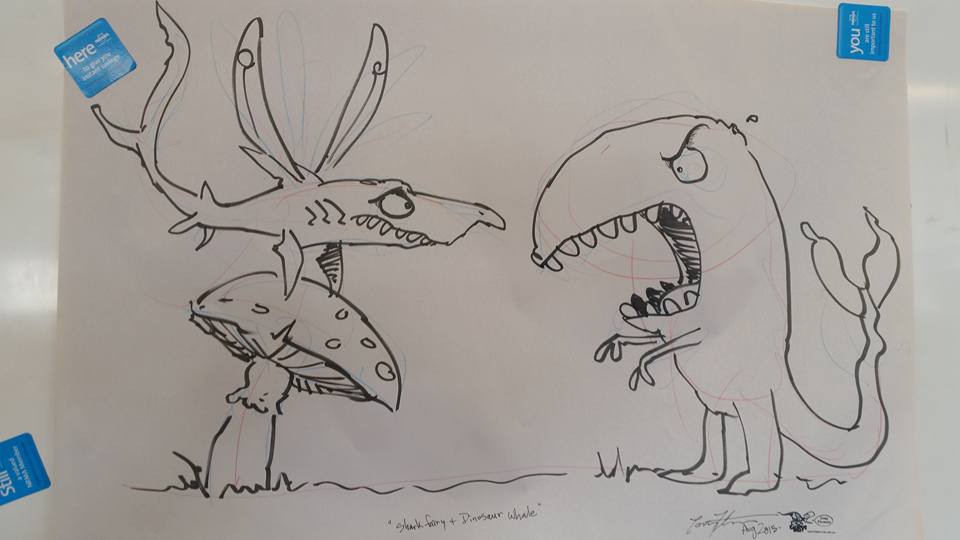
Shark fairy and Dinosaur Whale (2015) school talk image created with suggestion from the class.
7. Show students that mistakes are part of the process
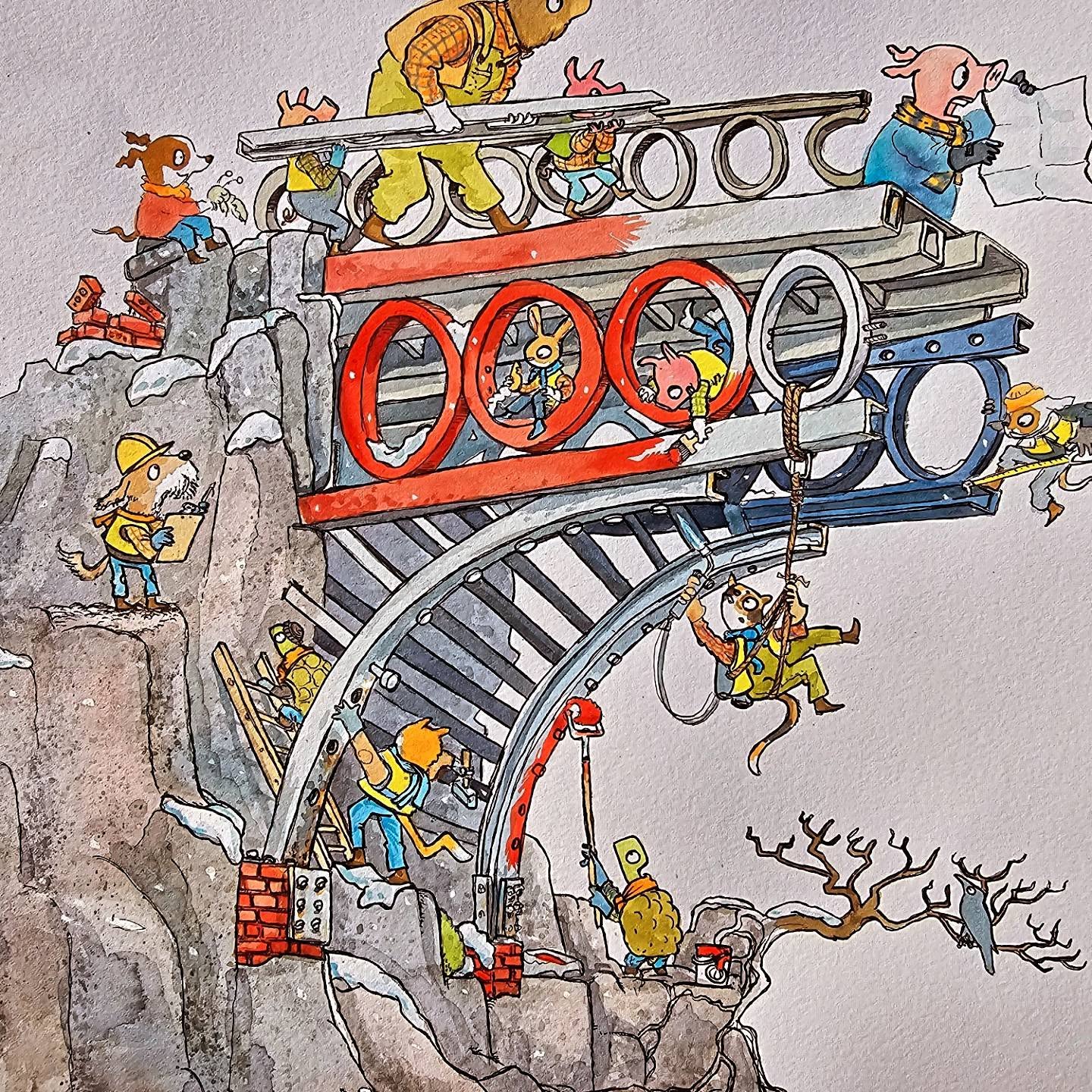
Let students see you make mistakes and that some of your best ideas started as accidents. Share pages from your notebook or sketchbook to show how a wrong line or odd thought made its way into a finished book and ultimately strengthened the work.
Because I include live-drawing demonstrations, I love showing how rough, scribbly sketches gradually become more finished images. I also emphasise that we never start a final illustration without first doing lots of sketches often terrible ones before we get anywhere near the final artwork.
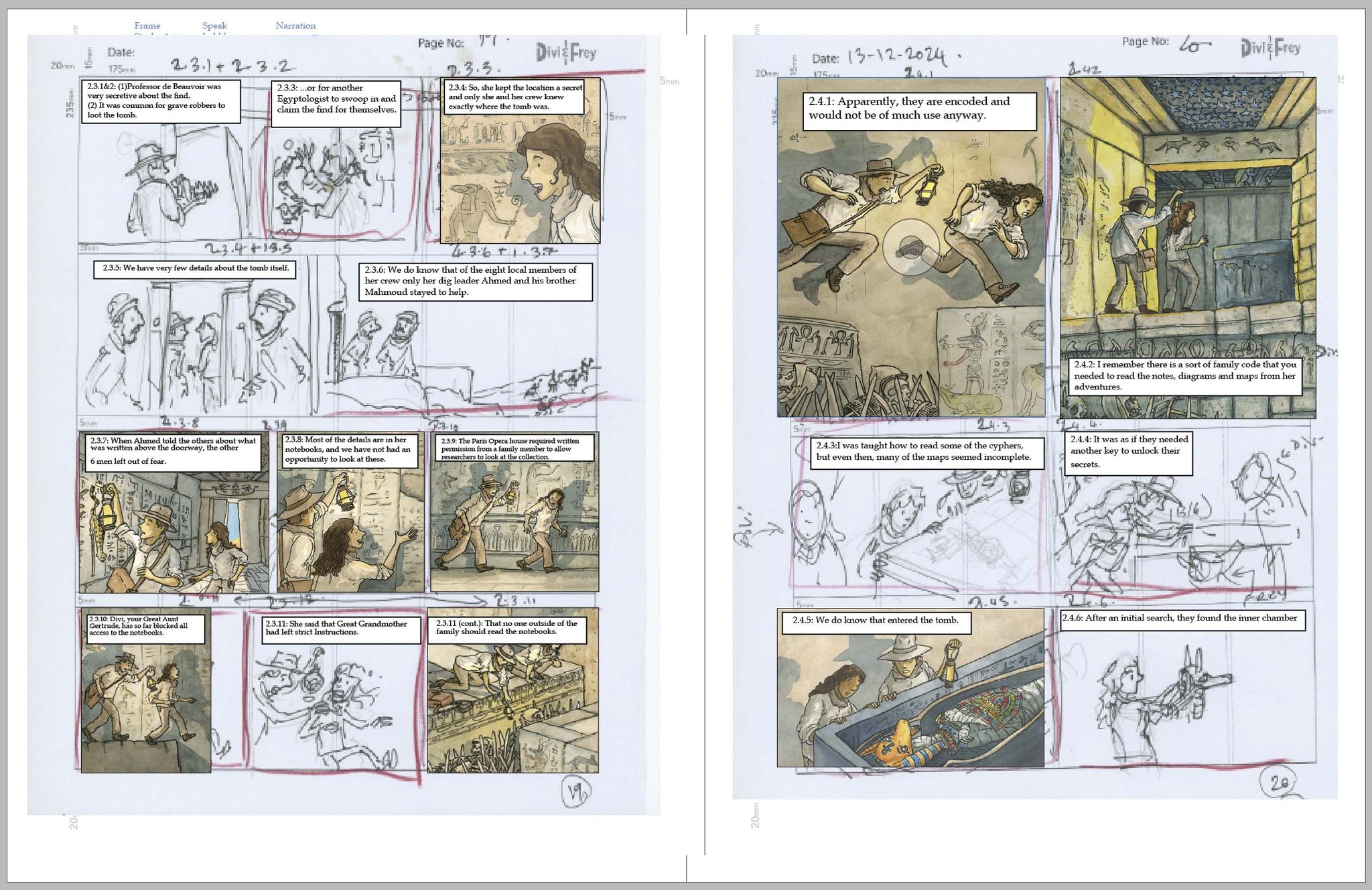
Graphic novel pages in progress (2026) Divi and Frey.
8. Make creativity feel accessible
Break your process into steps so students can see that creativity is something they can practise, like any other skill. I often ask who plays an instrument, how many hours they practise, and whether they improve without practising a great comparison for writing and drawing. I also bring sketches and rejected drawings that eventually led to a finished illustration in a book. Students love seeing the final artwork first, then the journey from rough sketch to polished result.
9. Keep the energy moving
Mix talking with drawing, questions, demonstrations, and quick activities to keep attention fresh. A lively rhythm helps students stay engaged and gives them multiple ways to connect with your message.
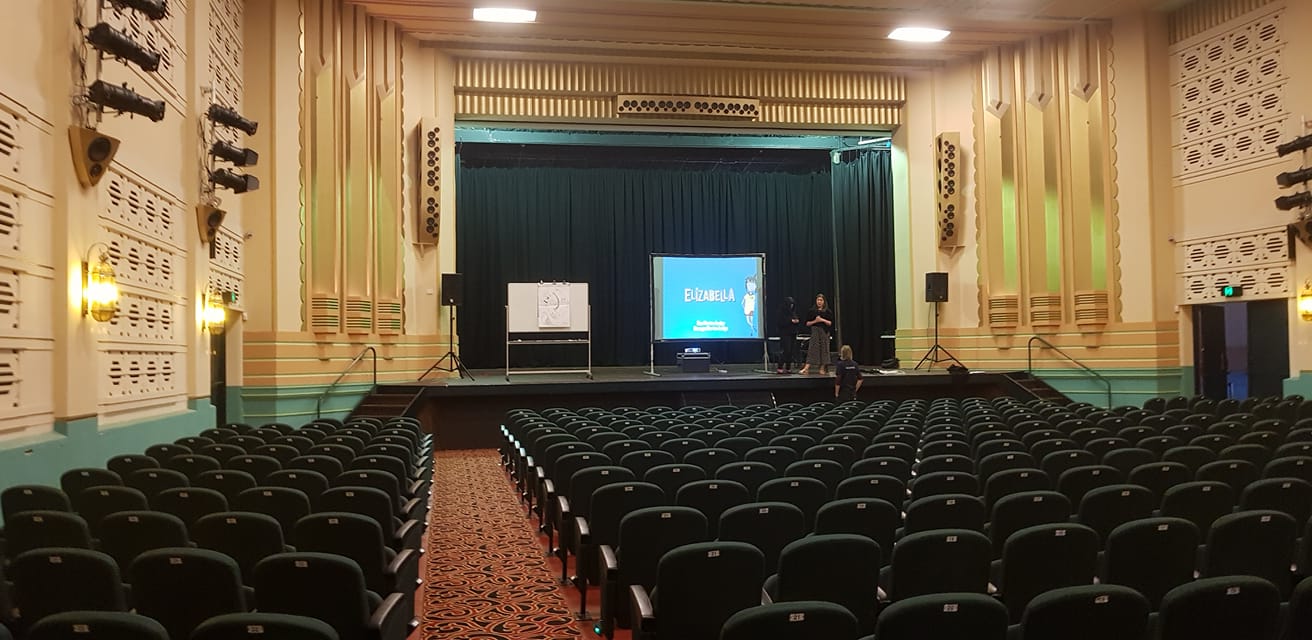
Byron Bay Writer’s Festival school events tour, NSW, Australia (2017)
10. Leave them with something they can try today
Leave students with a simple drawing trick, writing prompt, or observation challenge they can try immediately. A practical takeaway makes your visit memorable long after youve left.
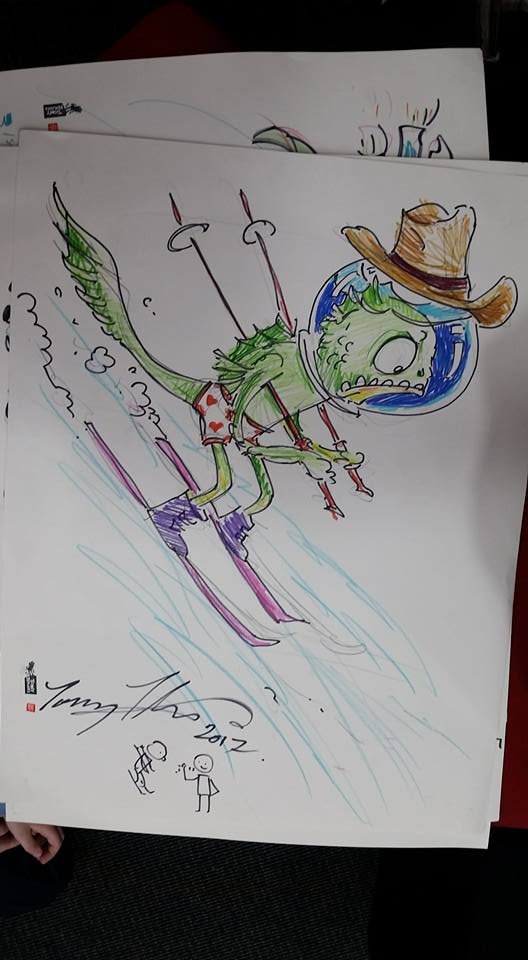
What to Leave Behind After a School Visit
1. Bookmarks
Simple, affordable, and always appreciated, bookmarks are great for libraries to hand out and keep your characters visible long after your visit. If your publisher isnt producing them, consider suppliers such as VistaPrint for cost-effective options.
2. A Mini Promo Poster (A3 size)
A bright, eye-catching A3 poster for the library or classroom wall helps keep the excitement alive and reminds teachers to follow up with your book. Leave some clear space so you can sign it neatly with a marker you bring with you.
3. A Copy of Your Book
This isn’t standard, but I try to bring a few spare copies especially backlist titles to leave behind when it feels appropriate. Remember that a paid visit is often funded from a schools limited literacy budget. If a school has booked you, leaving a signed copy for the library is a generous, professional touch. It becomes part of their collection and is often borrowed straight after your talk. Personally, I usually do this for state schools (with apologies to my teacher-librarian friends in the private sector).
4. An Original Drawing
For illustrators, this can be one of the most powerful items to leave behind. A drawing pinned in the library becomes a long-term reminder of your visit. Make sure your name is easy to read I use a stamp with my name and website because my signature is hard to decipher, and kids forget names quickly even when they loved the session.
5. Teacher Notes or Online Resources
If your publisher has created teacher notes for classroom use, mention them at the end of your session. Because I now teach at university and I’m on a mission to create the best teacher notes possible for my books I develop visual-literacy teaching materials and send them to my publisher to support those resources. I also keep www.diviandfrey.com updated as a hub for teachers and anyone interested in illustration and storytelling. Teachers are incredibly busy, so anything that makes lesson planning easier is always appreciated.

Last hit, I always like to do a tour tee shirt for a new release. Both fun and tax deducable.
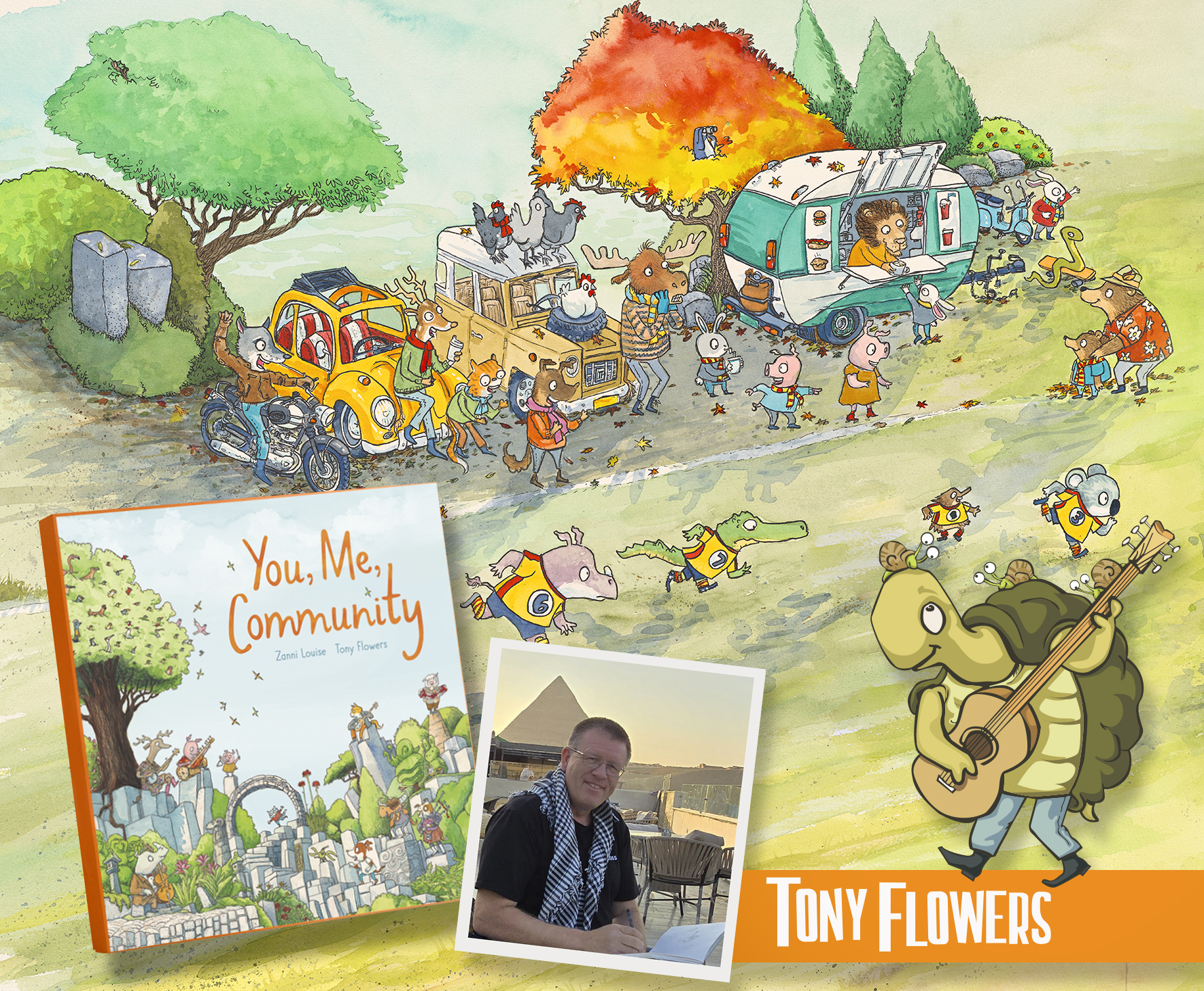
HOW TO BOOK SCHOOL VISITS and TALKS
If you’re a teacher and would like me to visit your school to run workshops on visual storytelling, illustration, or writing process, you’re very welcome to get in touch through my speaking agents. I’d love to work with your students and staff.
In Australia:
Lamont Authors
https://www.lamontauthors.com.au/lamont_author/tony-flowers/
For International enquiries, contact me directly, tony@flowersink.com.au
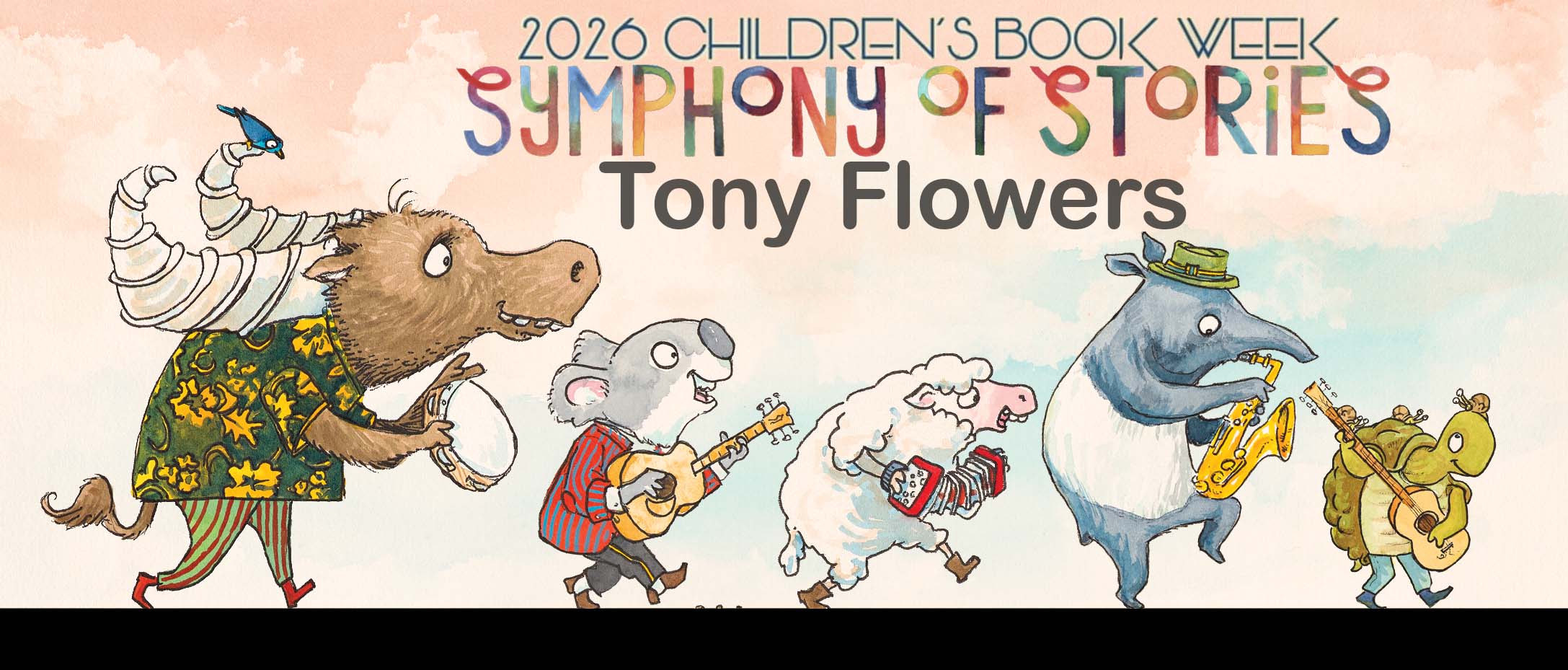
BOOK WEEK 2026 TOUR MELBOURNE
BOOKED OUT FOR BOOK WEEK!
See your soon Melbourne


Leave a Reply