As an illustrator and storyteller, I’ve always been drawn to the wisdom handed down by creative legends—those rare individuals who manage to distil complex ideas into deceptively simple truths. Whether it’s Wally Wood’s iconic “22 Panels That Always Work”, the foundational Elements and Principles of Design, or Pixar’s 22 Rules of Storytelling, these are the tools I come back to time and time again. They’re not rigid rules—they’re creative compasses.
Today, I want to dig into Pixar’s Rule #5:
“Simplify. Focus. Combine characters. Skip detours.”
This one hits close to home.
The Challenge of Simplicity
I love detail. I live for it. The texture of a cobblestone street, the folds in a costume, the way light falls across a scene—these are the things that make a world feel real. But I’ve learnt (sometimes the hard way) that detail without purpose can muddy the story. It’s a balancing act: knowing when to go wild with intricacy and when to pull back for clarity.
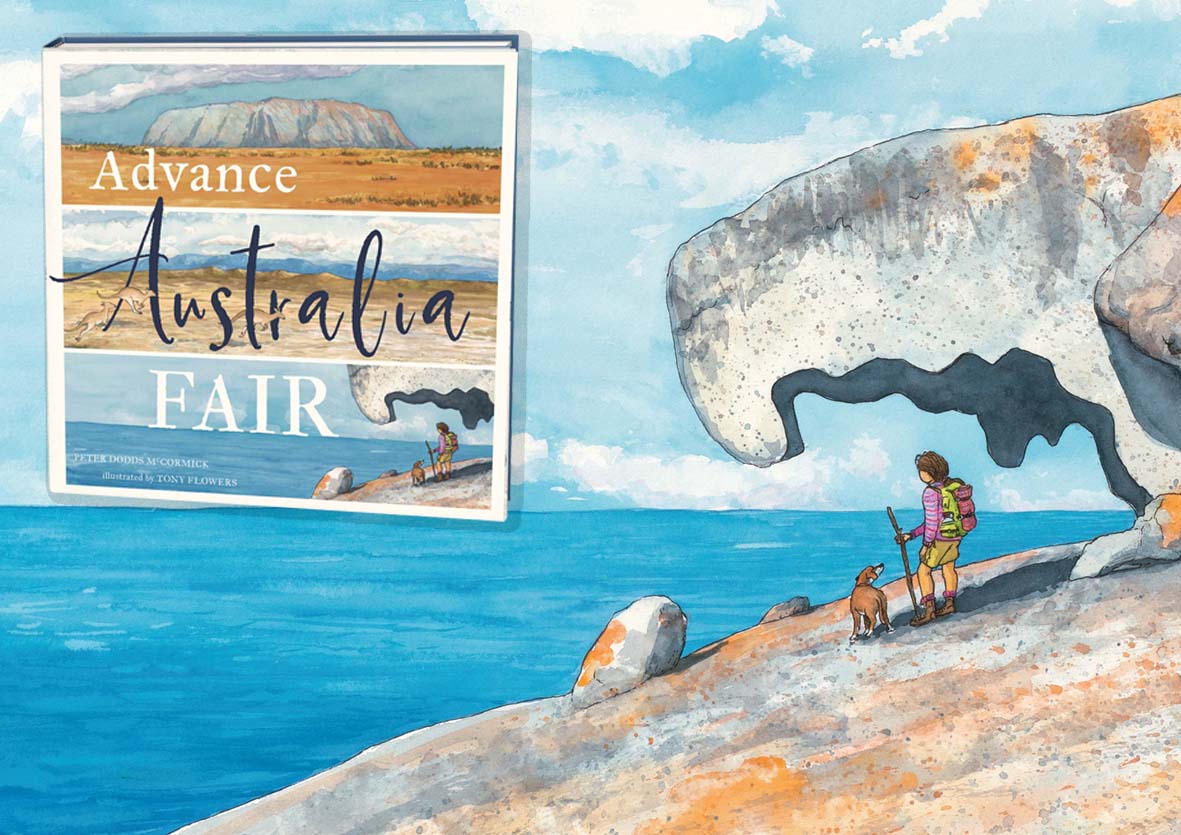
Rule 5 reminds me that storytelling is about intentional choices. Every character, subplot, and visual flourish should serve the narrative. If it doesn’t, it’s a detour—and while detours can be fun, they can also lead readers away from the heart of the story.
Wally Wood’s Panels and Visual Economy
Wally Wood’s “22 Panels That Always Work” is a masterclass in visual storytelling. It’s not about drawing more—it’s about drawing smart. His panels show how composition, contrast, and framing can convey drama and emotion without cluttering the page.
When I’m sketching panels for Divi and Frey, I often think of Wood’s work during the self-editing phase. I ask myself:
- Can I say more with less?
It’s not about stripping everything away—it’s about identifying what’s essential in the frame. - Is this detail enhancing the mood, or is it just me having fun?
I don’t cut out the details I love to draw—I refine how I use them. Detail should support the story, not distract from it.
My old ceramics lecturer, Rynne Tanton, once challenged us with the question: “What is a cat?” The idea was to distil the essence of a feline form into as few lines as possible. Once you’ve nailed that, you can build back up to the version you want. That same thinking applies to illustration.
I used this approach in Designing the character image for Frey.

The real Freya is a shaggy, Multicoloured bundy of joy (pictured above on the beach in Tasmania). When I looked at first looked at drawing her, I was trying to capture her long hair.
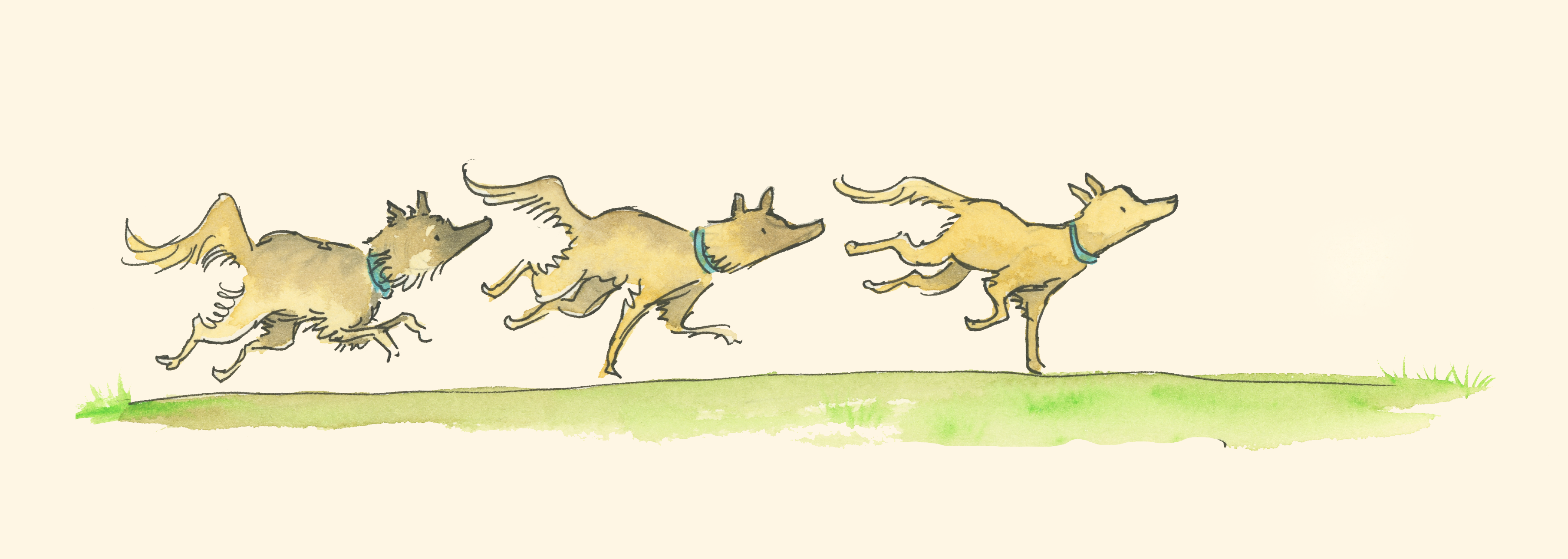
Then I realised the the essence of Frey was not her long fur. It was her movement and attitude.
Applying Rule 5 to Illustration
In my own work—especially in Divi and Frey—I’ve found Rule 5 applies just as much to drawing as it does to writing. When designing a scene, I ask:
- What’s the emotional beat here?
- What are the characters trying to do or say?
- What visual elements support that?
- What can I strip away to make the moment land?
Sometimes I go full tilt with detail—a cluttered room might reveal a character’s personality, or a dense jungle might heighten mystery. But I’ve learnt to be ruthless in editing. If it doesn’t serve the story, it’s out.
Principles Meet Storytelling
The Principles of Design—balance, contrast, emphasis, rhythm—are storytelling tools too. They guide the eye, shape emotion, and create narrative flow. When paired with Pixar’s storytelling rules, they become a powerful framework for crafting immersive, emotionally resonant experiences.
Final Thoughts
Rule 5 is a personal challenge, but also a creative liberation. It forces me to ask:
What’s essential? What’s noise?

And in that tension, I find clarity.
So if you’re just starting out in illustration or looking to sharpen your storytelling, my advice is this: simplify, focus, and tell stories that work—whether through words, panels, a well-placed shadow, or a glorious explosion of detail that serves your story.
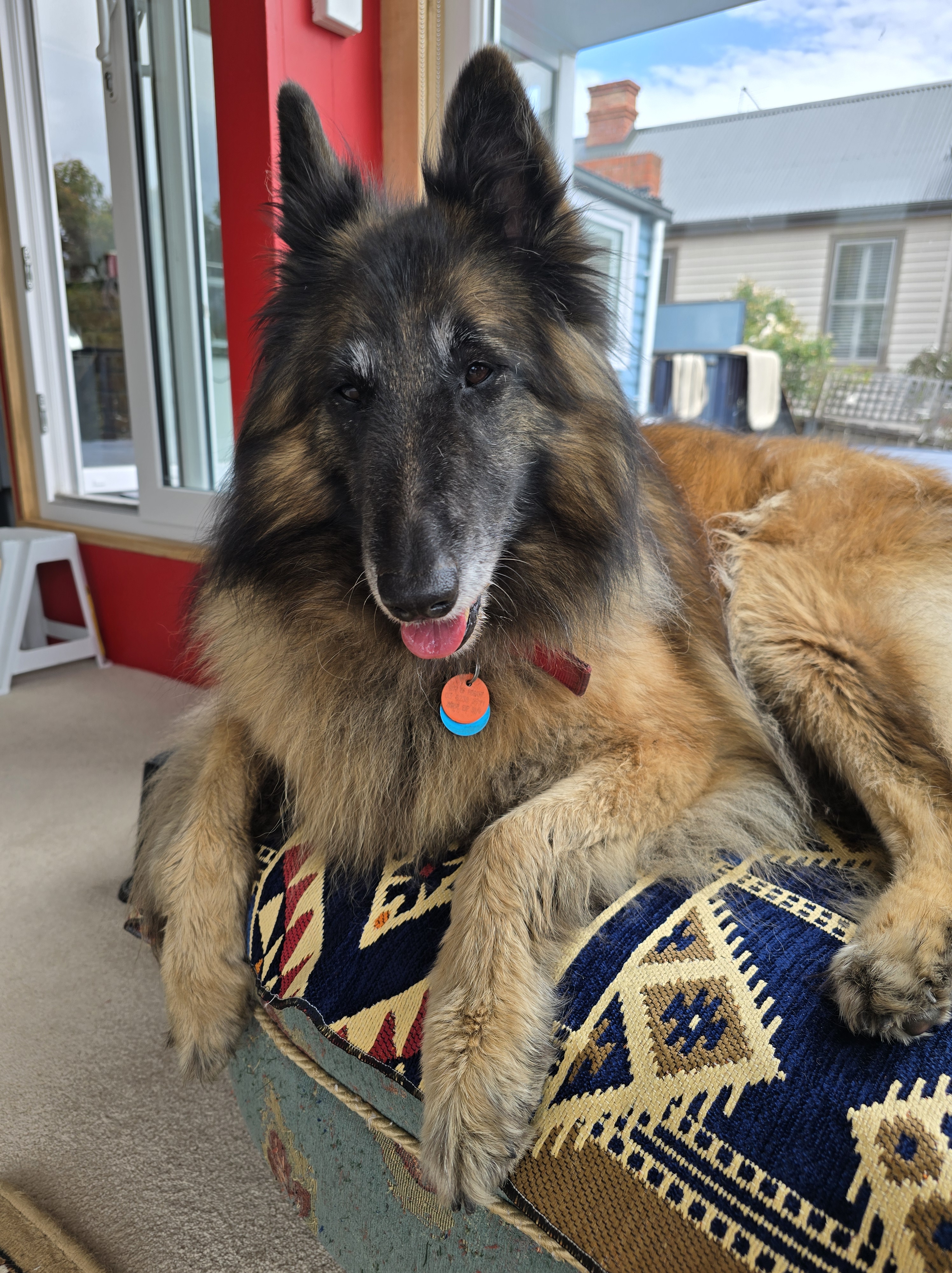
Freya (8y.o) relaxing at home
 Divi & Frey
Leave a comment