• “I love it when a plan comes together!” as the 80s TV ‘A’ team would say. Just working on some new concept images for a story that I am writing and illustrating. So far I am very happy with the results and here is a sneak peek at Motor Scooter cow from my draft pile of drawings. I hope to get these images ready to submit very soon.
    blog-scooter-process-image


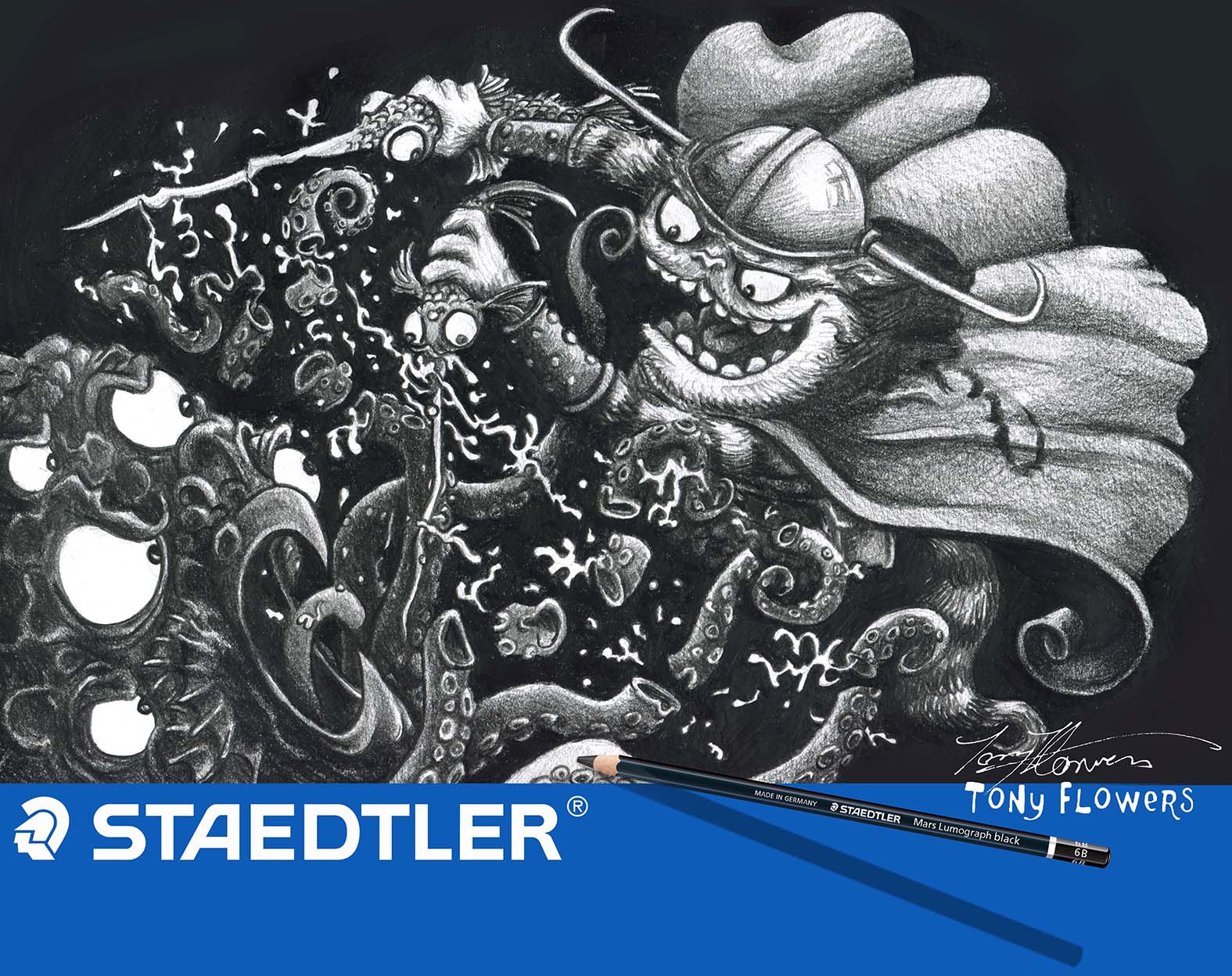
  • Staedtler Mars Lumograph Black

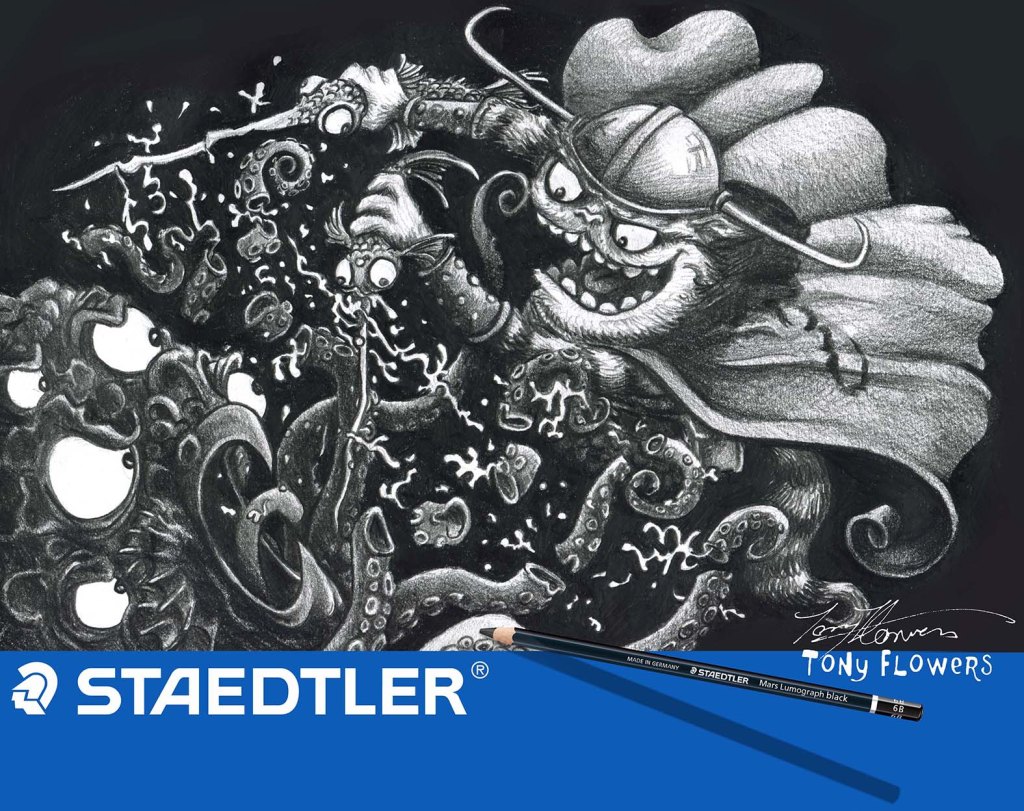
    Staedtler pencil title

    I recently received a sample pack of Staedtler Mars Lumograph black pencils. The pencil pack came as a tin pencil tray. It contained 2 x 2B, 2x 4B, 1 6B and 1 8B.

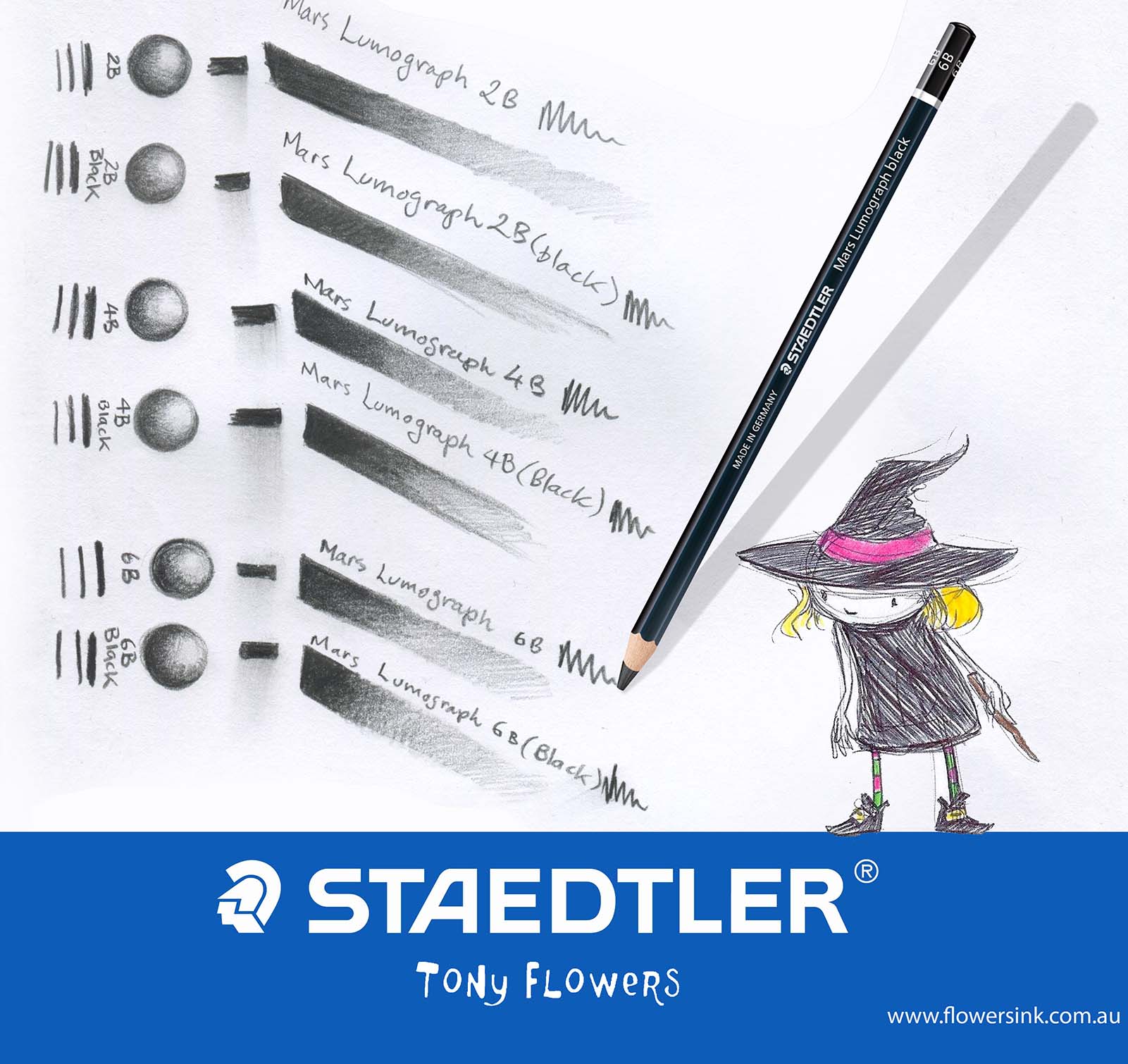
    Lumograph black test

    These pencil leads have been produced with a higher proportion of carbon in the lead than the standard Lumograph pencils. The idea is that the carbon will create a matt black finish. Testing the standard and black pencils side by side, it quickly becomes obvious that the higher the carbon the more matt the finish. While the 2B and 4B pencils in both standard and black produce a shine when applied with a heavy-handed burnish. The black also live up to their name and are noticeably darker than their counterparts. The 6B and 8B have a noticeably more matt finish in black than the standard lead pencils. The tooth on these pencils are also more aggressive. It bites the paper more like charcoal than pencil lead.  I tested on a 300 gsm fine grain cold pressed watercolour paper (Canson, Aquarelle) and 110 gsm smooth cartridge (Quill).

    The Pencils are also smudge well, again the higher the carbon content the more they smudge. Excellent if you like to use a smudge stick or a finger tip to blend your pencil work.

    I did notice that the 6B and 8B pencils are a little brittle. I had problems sharpening the pencils when I first started using them. I soon realised that the problem was the sharpener not the pencils. As the sharpener was a starting to go blunt and the leads are brittle the pencils were crumbling. Interestingly the standard Lumograph pencils were fine with this sharpener. I switch the sharpener to a newer one (Staedtler Metal double-hole sharpener) and the pencils shaped up to a sharp fine point.

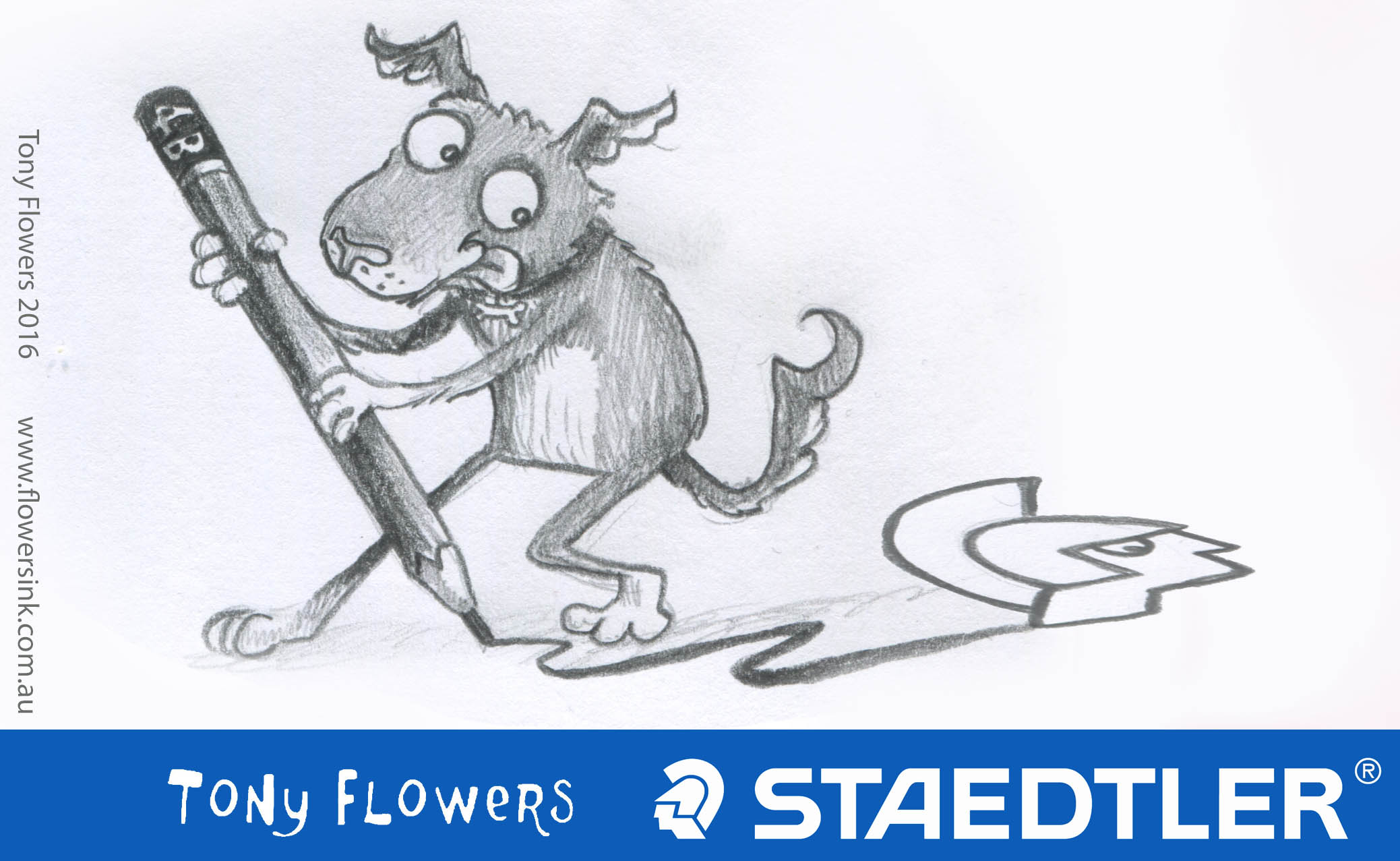
    Lumograph Black sample 2

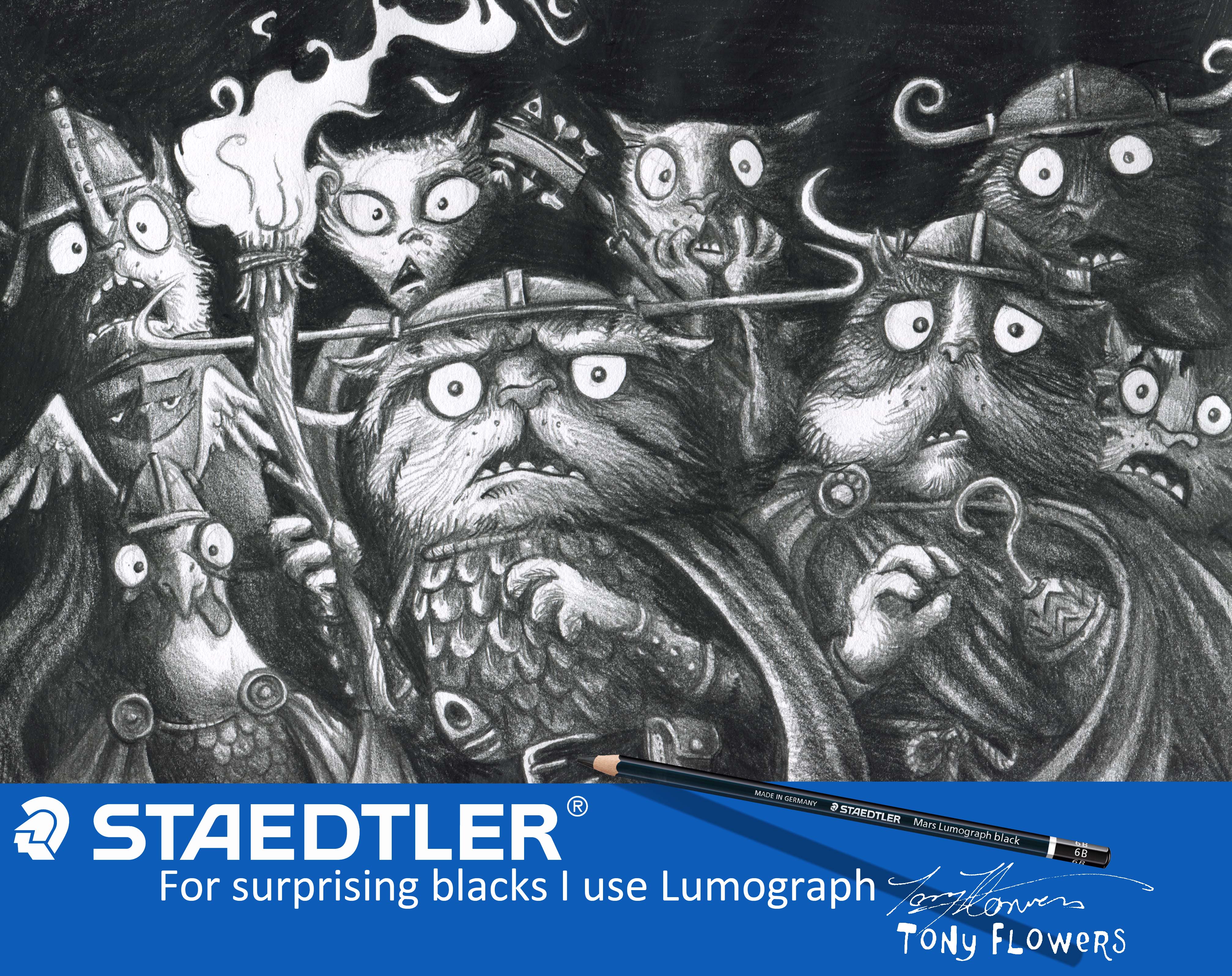
    When creating work to test the black pencils I decided to push the pencils to produce darker images. Using a ‘chiaroscuro’ technique I pushed to shadow in the images to take advantage of the black matt finish. Trying to make the character merge into the black background.

    Lumograph Black sample 1

    While the Matt black finish helps reduce shine when viewing the images. Scanners still pick up some reflection off the surface of the image. Not as much as when using a standard lead pencil at a heavy burnish level.


    http://www.staedtler.com.au/en/products/pencils-accessories/pencils/mars-lumograph-black-100b-premium-quality-artists-pencil/

  • The Book Curator Interview

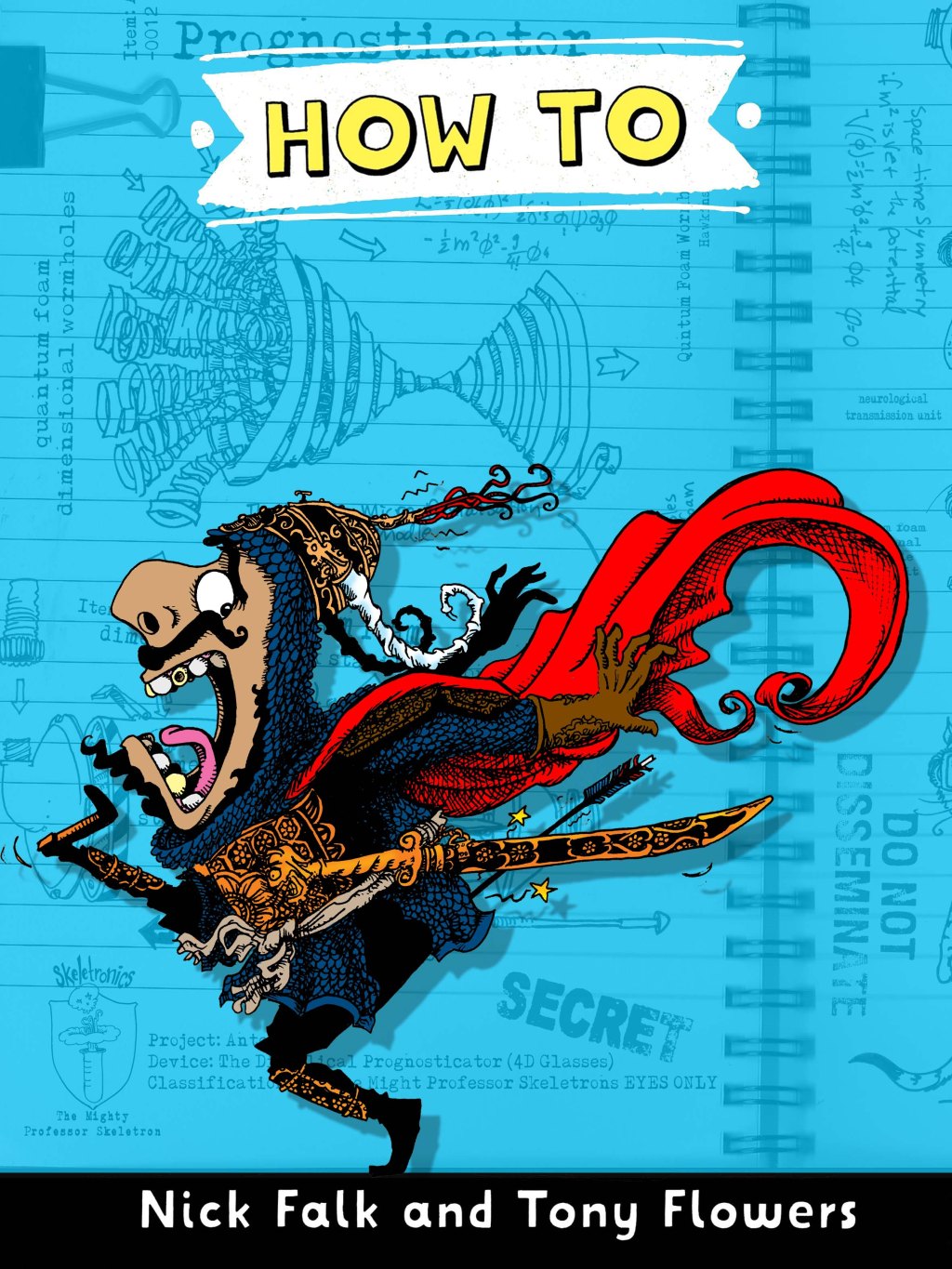
    The attached article (below) is an interesting interview about one of my new books with Nick Falk, ‘How to stop an alien invasion using Shakespeare”.

    Cover book 1 How toThis is the first in a series that Nick and I are working on. The next book in this series, “How to beat Genghis Khan in an arm wrestle” will be released in the next few weeks.

    Cover Bk 2 How To

    This interview is one of the first where I have been able to not only talk about my work as an illustrator but also include insights gained from my reading and research for my PhD at the University of Canberra.

    If you’re interested in illustration and illustrative practices or theories of Visual Literacy, you will most likely enjoy this interview.

    The Interview:

    April 2016 Interview HowTo_TheBookCurator


    tee shirt 4 portrait

  • Samurai vs Ninja has been shortlisted for the Readings Children’s Book Prize. The following link is a review from the Reading blog page.

    S vs N Promo card1

    http://www.readings.com.au/news/five-reasons-we-love-samurai-vs-ninja-by-nick-falk-and-tony-flowers


  • Inspiration

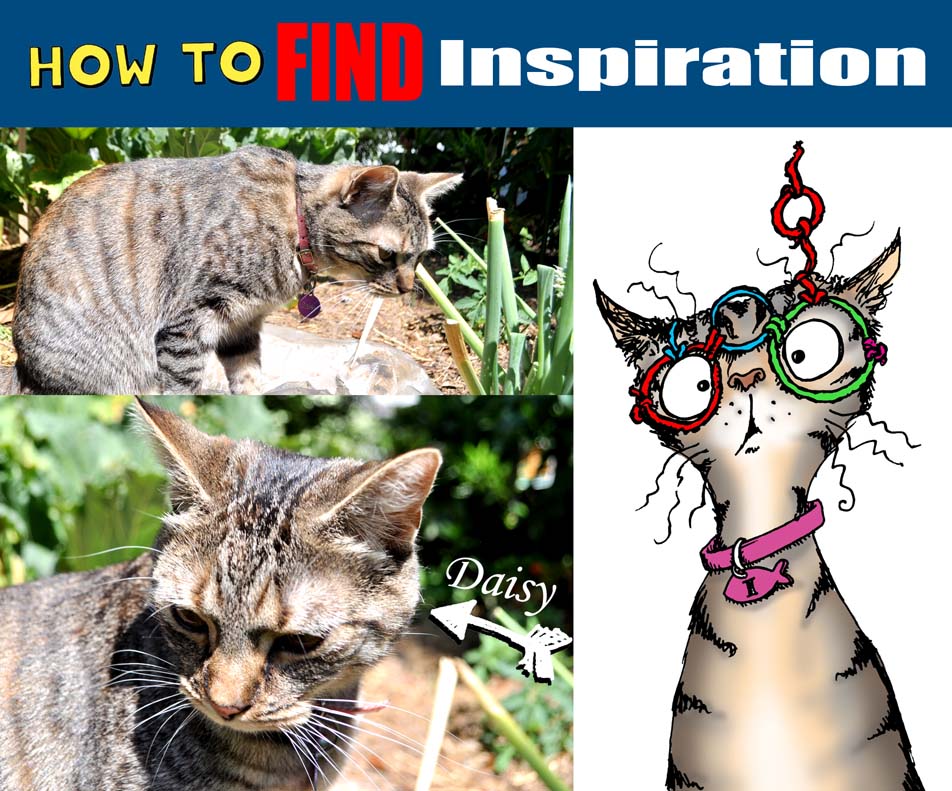
    People seek inspiration in a wide variety of way. When I had to create a design for ‘Inspiration’ I didn’t look too far from home.

    PHow to Find Inspiration

    In my latest series with Nick Falk, the “How To…” series (1st book ‘How to stop an alien invasion using Shakespeare’) Inspiration is the Mighty Professor Skeletron’s cat. The Mighty Professor Skeletron is an evil genius (boy) that invents all kind of weird thing. One of these inventions is a pair goggles (Diabolical Prognosticator) that his cat can wear to see into the future. The professors blue print diagrams are always complex, scientific packed blends of the real and the ridiculous. The reality always looks a bit simpler. Mainly because he builds everything out of cardboard boxes, sticky tape ad other household items. His Diabolical Prognosticator are made out of pipe cleaners.


    When I started to work on the rough sketches for ‘Inspiration’, my cat Daisy jumped onto my lap and demanded attention. The choice for Inspiration was obvious. The cat had to be Daisy.


    The best thing is that like all cats, she sits around a lot, so she is a great model. She also like to sit onto my drawings when I work. So I can say that she has approved the use of image (otherwise she would scratch them up!).


    PowerPoint Presentation

    Draft covers (spot Daisy)

  • Book week flyer Brisbane 2016

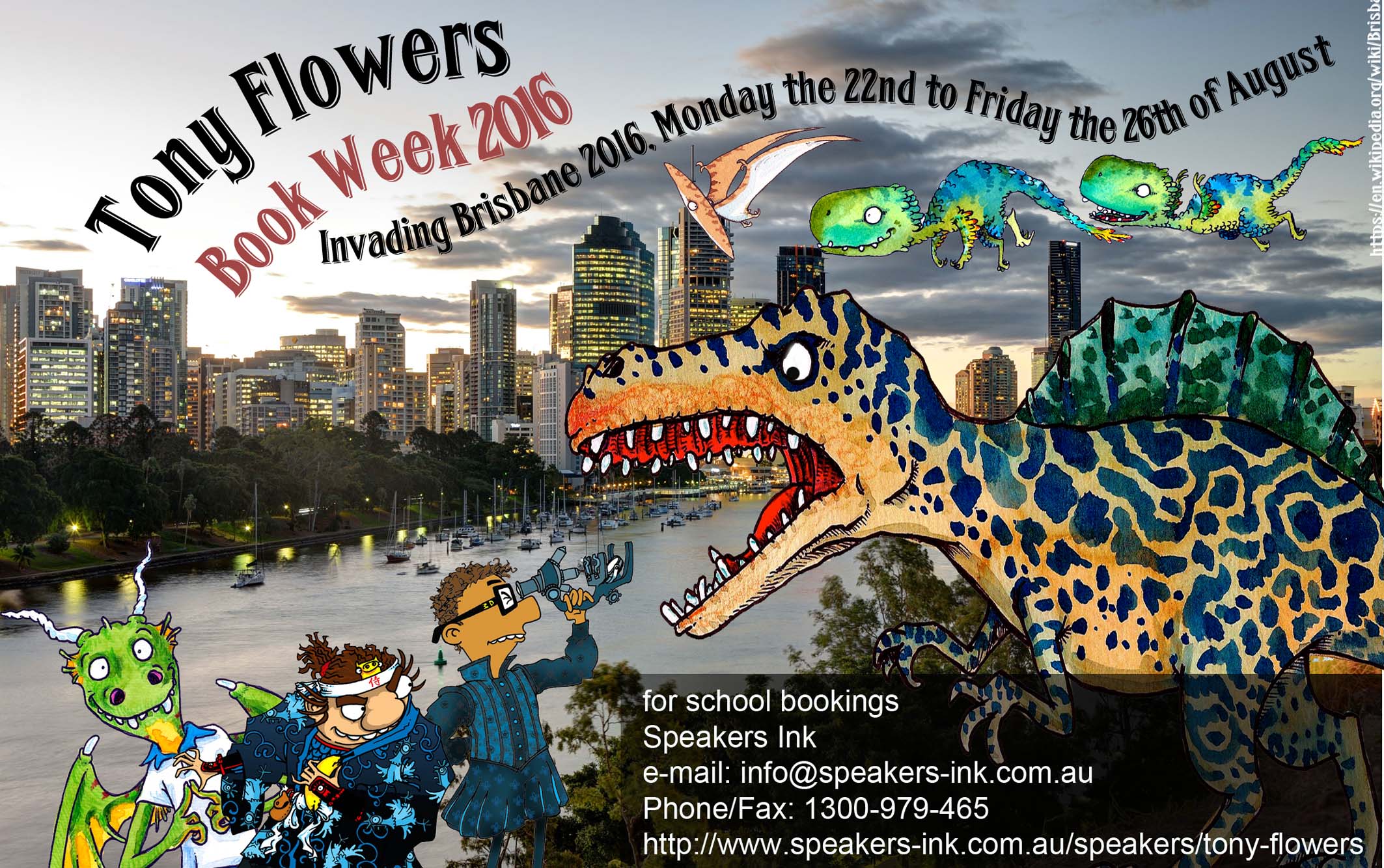
    I will be Invading Brisbane Book Week this year (Monday the 22nd to Friday the 26th of August). Demonstrating my approach to illustration, creating narratives, and visual literacy.

    I still have a few spots available for school talks, for Book Week bookings contact “Speakers Ink”. If you are interested in attending an illustration session for adults or a visual literacy session for teachers, contact me directly at tony@flowersink.com.au

    While I am not available for Book Week session in Sydney this year, for school bookings in Sydney at other times, please contact Paul or Amy at the Children’s Bookshop Speakers Agency.

    For all other areas contact me directly at tony@flowersink.com.au

    I am currently located in Canberra, as I love a road trip, I am always happy to discuss school talks in any location at anytime of the year.

    Speakers Ink

    e-mail: info@speakers-ink.com.au

    Phone/Fax: 1300-979-465

    http://www.speakers-ink.com.au/speakers/tony-flowers

    Sydney bookings

    The Children’s Bookshop Speakers Agency

    telephone.

    0407 414 261 (Paul).
    9481 8811 and ask to speak to Amy.

    Home Page

  • Jervis Bay SeaChange flyer 2016

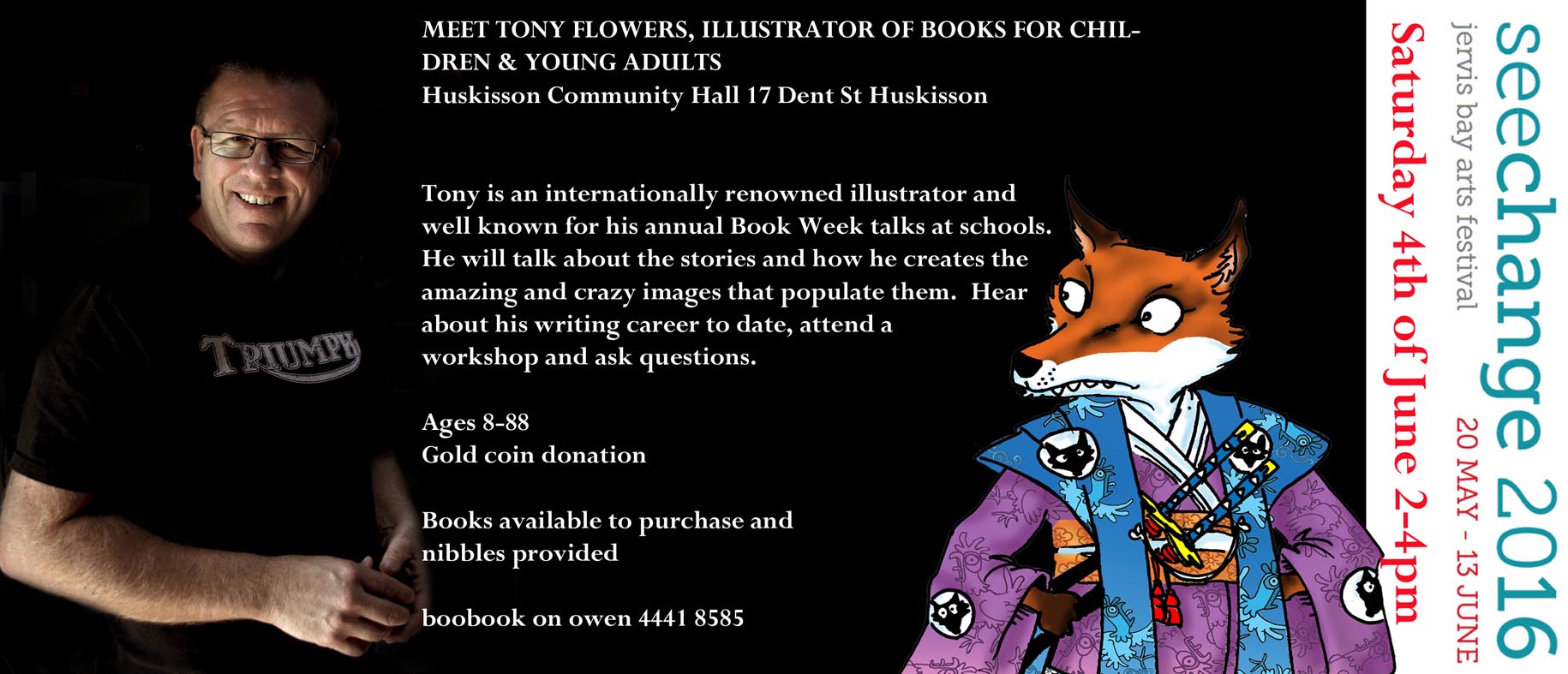
    My next appearance will be at Jervis Bay (Huskisson) on the 4th of June, 2 – 4pm presenting at the ‘Seachange’ festival.


    For more details or information on other events at the festival please refer to the festival website, http://www.seechangefestival.org.au.


  • I will be appearing at the Newcastle Writers Festival this week. If your in Newcastle come along and catch a session or see in the Newcastle Regional Library for book signings. I promise an original illustration in each book signed.

    Newcastle Festival program 2016

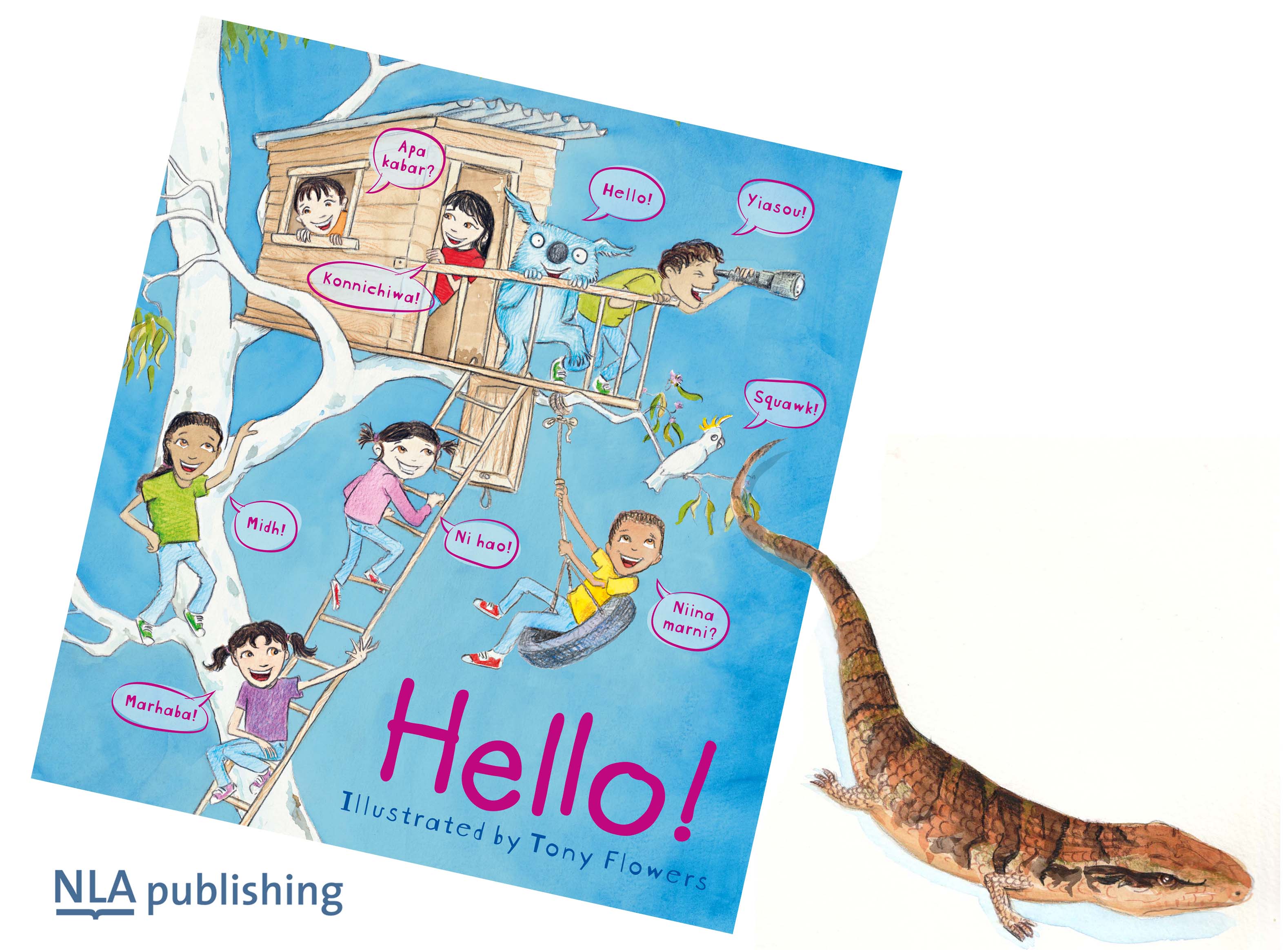
  • NLA book cover with blue tongue


    For the last 2 years I have been working a picture book with the National Library of Australia. ‘Hello!’ my first full colour picture book in many years is out this month.This 68 page book is designed to be a fantastic resource for classroom teacher. It provides a brief (2 x double page spreads) into 12 cultural groups from multicultural Australia. The cultural groups cover 3 Indigenous groups and the 9 of most commonly spoken languages in Australia after English. The process of creating this book was longer than normal. partly due to the high number of illustrations and page length of this book. The main reason for the length of time given to this book is the research and checking of facts and authenticity. The wonderful publishing team at the National Library ensured that all of the material for each of the cultural groups was checked by representatives from these communites.

    From an illustration perspective, I had an opportunity to create watercolour and pencil illustration in a style that was quite different from my normal illustration work in my books with Nick Falk (Saurus Street, Billy is a Dragon, Samurai vs Ninja and How to Stop an Alien Invasion with Shakespeare)


    Below is the first review that I have scene for the book, it is from the book review blog, The bottom shelf 

    Hello!

    Tony Flowers

    NLA Publishing, 2016

    68pp., hbk., RRP $A24.99

    9780642278876

    Look at your school population.  Are all the children native English speakers?  Or is there a mix of languages almost as diverse as the children themselves?  In my Collection Policy for the school I was recently working in under the heading Purpose and Role of the Collection I included the clause “provide a wide range of materials on all levels of difficulty, with a diversity of appeal and the presentation of different points of view including those that reflect the lives of students in relation to their culture, ethnicity, language, religion and beliefs, community and family structure, sexual orientation and any other consideration” and this new publication from the National Library of Australia fits the language aspect of this perfectly.

    Superbly illustrated in cartoon style by Tony Flowers and presented in a clear uncomplicated layout, we meet twelve Australian children, each of whom speaks a different language including Kala Lagaw Ya from Badu Island in the Torres Strait; Kaurna from Tarntanya in Adelaide; and Murrinhpatha from Wadeye in the Northern Territory as well as the more common languages of Italian, Thai, Korean, Greek , Vietnamese, Japanese, Indonesian, and Chinese.  Even the Lebanese version of Arabic is included and there is a pronunciation guide at the back of the book to assist the reader but which have been dovetailed to meet needs rather than being a linguistic reference.

    Each child has two double spreads so as well as introducing the reader to the word for ‘hello’ in each language, each then shares a little of their life including favourite foods, special days, costumes, musical instruments, games and activities and how to count to ten and each of these is then highlighted at the back of the book with photos available in the NLA.

    As much as the children I was working with last year loved to practise and share their new skills in English, their faces always lit up when they discovered a resource written in their own language or which was about their own country.  They were so happy to see something familiar amongst the unfamiliar and loved to show it to their friends and then take it home to share with their families.  So this wonderful resource is sure to strike a chord with so many of those in our care.  Apart from the familiarity it also demonstrates that we acknowledge and value their origins by having resources for them available.  Seeing yourself in a book is such an affirmation of who you are.

    There are so many opportunities within the Australian Curriculum and within the calendar to investigate and celebrate the origins of the children in our classes that this book could be in use all year.  There are comprehensive teaching notes which include how to make some of the items featured by the children   but I can envisage it being a pivotal text for this year’s Book Week theme – Australia: Story Country.  Make it model for the children to tell their story by producing a poster and display for the library to be hung in honour of their country’s national day.  This was one of the most popular displays that attracted so much interest from parents and teachers as much as from the students.  They really valued the recognition.

    Make Harmony Day  every day!

    This entry was posted on March 21, 2016, in Belonging, Identity, Inclusivity, Non fiction, Picture Book, Review, Teaching Resource.

    https://thebottomshelf.edublogs.org

  • International Conference on Childhood and Visual Texts in/of Asia 2015
    2015年 亞洲童年與視覺文本 研討會
    http://ntue-conference.wix.com/visual-texts-2015
    Date: November 14, 2015 (Saturday)
3:10pm- 4:20pm
    Venue: Zhishan Building, National Taipei University of Education

    I will be heading to Taiwan to deliver a talk at the on the weekend. My talk “Writing with Pictures: The Silly world of ‘Samurai vs Ninja’ will be looking at the visual literacy approach and research behind my Samurai vs Ninja series.
    Samurai vs Ninja Book covers and images
    I will discuss both the theatrical and practical application of visual literacy skills.
    This will be done through the applied visual literacy techniques used in my latest book series, ‘Samurai vs Ninja’.

    This is an early reader series set in the Edo period of Japanese history. Illustrated with black and white images, the visual story telling using a mixture of narrative styles, including standard in-text illustrations, margin illustrations and comic book format.
    sample research SvN Little Pig 3

    In Samurai vs Ninja I have assimilating visual element from traditional and pop culture aspect of Japan. Rather than approaching the design using western stereotype characters for japan. I have research the work through woodblock prints, photographs and museum visits. The resulting illustrations reference culture, geographical location and environmental elements. Creating a rich setting for the comedic stories of Samurai vs Ninja to unfold.

    sample research SvN Little Pig compositional line for web

    These conferences are made possible though the generous support of the sponsors,
    Conference sponsors:
Feng Zikai Chinese Children’s Picture Book Award Executive Committee; National Taipei University of Education; Ministry of Science and Technology
    Travel grant: Faculty of Art and Design, University of Canberra